When dealing with sudden damage, understanding how emergency roof repair works can help protect your home and prevent more extensive problems. Wisconsin homeowners frequently experience severe weather events, including heavy snowfall, ice dams, hail, high winds, and rapid temperature swings that put extra stress on roofing systems. Taking fast action when problems arise protects your home’s structure and saves you from costly repairs down the road.
Here’s what you’ll learn in this guide:
- Common roof emergencies: Examples specific to Wisconsin weather and seasonal challenges.
- Immediate steps to take: How to minimize damage while keeping your family safe.
- When to call a professional: How to know the issue is beyond DIY repair.
Common Roof Emergencies in Wisconsin
Wisconsin’s weather can cause roof problems quickly, especially during winter and early spring. Knowing the most common emergencies helps you recognize issues before they worsen. In areas like Amherst, WI, sudden temperature swings and winter storms can quickly turn minor roofing issues into full-blown emergencies, making fast action essential to prevent interior leaks and structural damage.

Ice Dams
- How they form: Ice dams occur when snow melts on a warm roof, refreezes at the eaves, and traps water behind a ridge of ice.
- Risk to your home: The trapped water can seep under shingles and leak into your attic or walls.
- Warning signs: Icicles along the roof edge, water stains, and uneven melting patterns.
Heavy Snow Loads
- Structural stress: Excessive snow accumulation adds weight to your roof, putting stress on rafters and trusses.
- Leak potential: Compressed snow can force water beneath shingles during warm-ups.
- Signs to watch for: Sagging rafters, cracking noises, and interior ceiling discoloration.
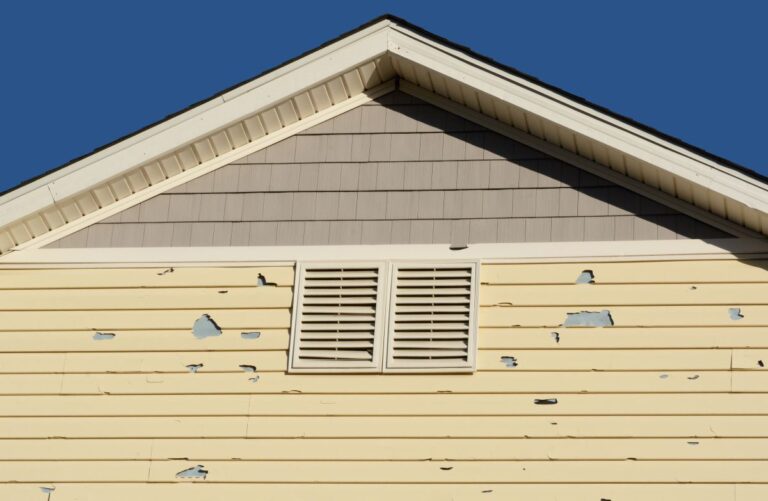
Hail Damage
- Impact force: Even moderate hail can bruise or crack shingles, making them more vulnerable to leaks.
- Granule loss: Hail removes the protective granules that shield shingles from UV exposure.
- After-effects: Small dents or dark spots that worsen with freeze-thaw cycles.
Wind Damage
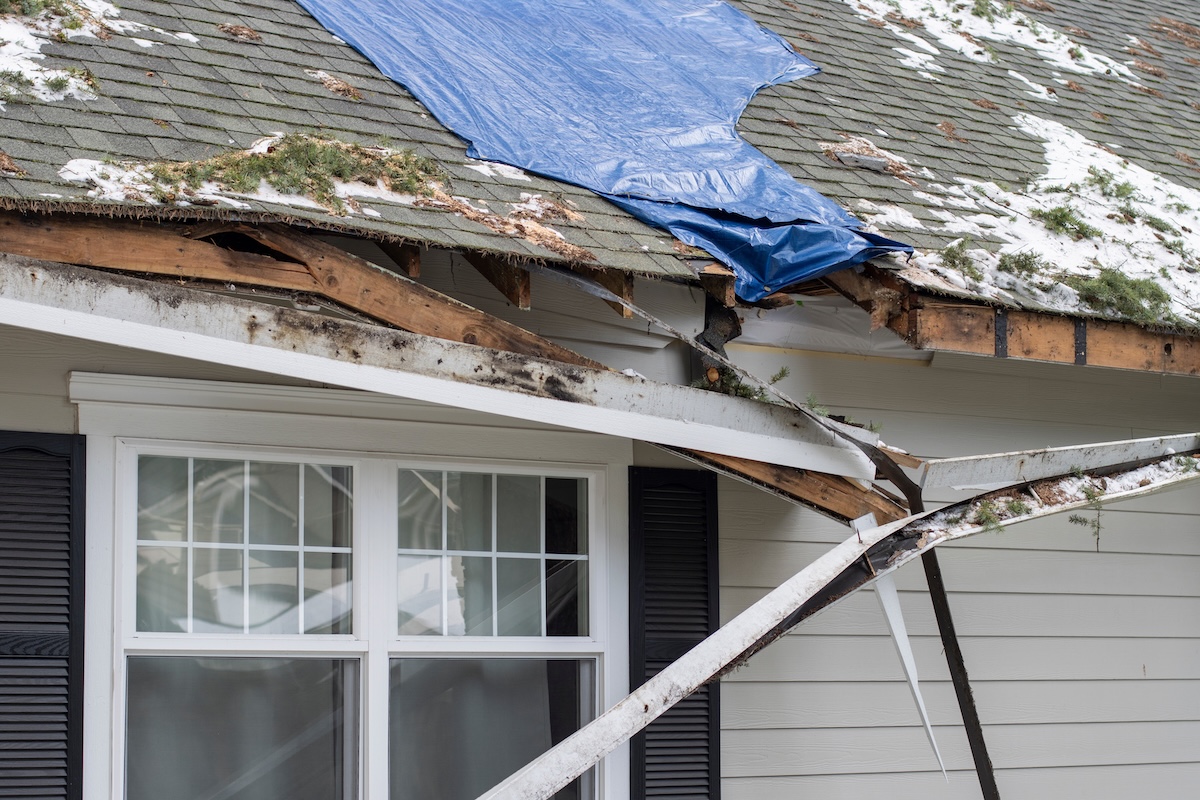
- Shingle uplift: High winds in Amherst and surrounding areas can lift shingles or tear off entire sections.
- Debris impact: Branches and debris carried by wind can puncture roofing materials.
- Noticeable signs: Missing shingles, displaced flashing, or lifted edges that allow water entry.
Homeowners in nearby communities such as Stevens Point, WI should inspect their roofs after strong wind events, as even small openings can allow moisture intrusion and lead to costly repairs if left unaddressed.
Freeze-Thaw Cycles
- Moisture expansion: Water seeps into tiny cracks, freezes, expands, and enlarges damage.
- Shortened lifespan: Repeated cycles weaken seals and shorten roof material longevity.
- Observation tips: Watch for new cracks, curling shingles, and ice buildup near roof penetrations.
5 Emergency Roof Repair Tips for Homeowners
Rapid action can significantly reduce the damage caused by sudden roof emergencies. These tips help you respond safely and effectively while waiting for professional assistance.

1. Assess the Damage Safely
- Stay on the ground: Avoid climbing on the roof during storms, after snowfall, or when surfaces are slippery.
- Use binoculars: Examine shingles, gutters, and flashings from a safe distance.
- Check the attic: Look for wet insulation, water stains, or daylight through the roof deck.
2. Control Water Intrusion
- Contain leaks: Place buckets, towels, or plastic sheeting under active drips to protect floors and furniture.
- Relieve pressure: If water bubbles form under paint or ceiling texture, carefully pierce them to release trapped moisture.
- Remove wet materials: Damp insulation or drywall should be removed quickly to prevent mold.
3. Cover Exposed Areas
- Use temporary tarps: A securely fastened tarp prevents further water damage until repairs are made.
- Seal around openings: Roofing tape or heavy-duty plastic can help cover small punctures or missing shingles.
- Watch the weather: Apply coverings during calm weather to avoid accidents or ineffective placement.
4. Document the Damage
- Take clear photos: Capture close-up and wide-angle shots of all impacted areas.
- Record the timeline: Note when the damage occurred and what weather conditions were present.
- Keep receipts: Save invoices for temporary supplies in case insurance reimbursement applies.
5. Call a Professional Roofing Contractor
- Expert diagnosis: Professionals identify hidden issues such as flashing damage or structural concerns.
- Fast response: Local contractors can often perform same-day or next-day emergency repairs.
- Long-term solutions: Proper repairs ensure your roof remains watertight and structurally sound.
Damage to flashing around chimneys, vents, and roof edges is a common culprit during emergencies, which is why understanding what roof flashing is can help homeowners recognize why expert repairs are critical for long-term protection.
When to Call for Professional Emergency Services
Roof emergencies can escalate quickly, especially during Wisconsin storms. Calling a professional is the safest way to ensure the issue is handled correctly and prevents future complications. If you notice sagging rooflines, active water intrusion, or widespread shingle loss, reaching out to a trusted roofing contractor in Wisconsin Rapids, WI ensures the issue is evaluated and repaired safely before additional damage occurs.

Severe Leaks
- Rapid water entry: Large or fast-moving leaks can damage walls, ceilings, and flooring.
- Electrical risk: Water near wiring or attic junction boxes requires immediate attention.
- Hidden damage: Professionals can identify compromised decking or insulation.
Structural Concerns
- Sagging rooflines: Heavy snow or long-term moisture exposure can weaken support beams.
- Cracking or popping noises: These sounds may indicate shifting roof loads that require urgent evaluation.
- Widespread ice dams: Large ice formations often cause damage beyond what is visible from the ground.
Extensive Shingle Loss
- Wind-related damage: Missing rows of shingles expose underlayment and decking to rain and snow.
- Hail impacts: Multiple cracks or punctures across the roof mean the system is no longer watertight.
- Fast deterioration: If weather is expected to worsen, immediate repairs prevent additional damage.
How to Prevent Future Roof Emergencies
Regular inspections and maintenance become even more important as your roof nears the end of its lifespan, which is why homeowners should review how long a roof lasts in Wisconsin by checking this guide on roof lifespan in WI and planning upgrades before emergencies strike.
Clean and Maintain Gutters
- Clear flow: Regular cleaning prevents clogs that lead to water backup.
- Reduce ice dams: Clean gutters allow melting snow to drain properly.
- Protect fascia: Prevents rot caused by overflowing water.
Strengthen Roof Components
- Replace loose shingles: Address minor damage before storms arrive.
- Upgrade flashing: Strong flashing prevents leaks in vulnerable roof areas.
- Improve ventilation: Good airflow minimizes moisture buildup and ice dam formation.
Schedule Annual Roof Inspections
- Early detection: Professionals spot problems before they turn into emergencies.
- Seasonal readiness: Inspections ensure your roof can handle snow, wind, and temperature swings.
- Extended roof life: Regular checkups help maximize durability and performance.

Why Homeowners in Amherst Choose Vanguard Roofing & Siding
Weather in Amherst and surrounding areas can change quickly, which makes having a reliable roofing team essential. Vanguard Roofing & Siding provides prompt, experienced support for emergency situations and long-term repairs.
- Local expertise: Our team understands Wisconsin’s unique weather patterns and how they affect your roof.
- Fast response: We prioritize emergency calls to minimize damage and protect your home.
- High-quality workmanship: From temporary fixes to full repairs, our solutions are built to last.
Protect Your Home With Fast, Reliable Emergency Repairs
Acting quickly during an emergency roof repair situation can save you from major structural damage and expensive restoration work. Whether you are dealing with ice dams, hail damage, wind-related shingle loss, or heavy snow concerns, prompt action and professional support ensure your home stays safe.
Vanguard Roofing & Siding proudly serves Amherst and surrounding areas with trusted emergency response, durable materials, and expert repair services. Contact us today to schedule your free inspection or request immediate help with your roof emergency.
Recent Articles