If you are comparing different roof designs for your next home project, understanding hip roof vs gable roof is one of the most important steps. These two styles are the most common in Wisconsin and each offers unique benefits in strength, appearance, and weather performance. Knowing how they differ will help you choose the right design for your home in Port Edwards and surrounding areas.
Here’s what you’ll learn in this guide:
- Design differences: How hip and gable roofs are structured and why it matters.
- Weather performance: Which roof type handles Wisconsin’s climate better.
- Cost, durability, and maintenance: What to expect as a homeowner.
2 Most Common Roof Shapes
Hip roofs and gable roofs are popular on both modern and traditional homes. Each design uses different slopes, peaks, and framing styles, which influence everything from storm resistance to attic ventilation. Understanding their structural differences makes it easier to decide which is best for your needs.

1. Hip Roof
- Definition: A hip roof slopes downward on all four sides and meets at a ridge across the top.
- Stability: The inward-facing slopes provide outstanding wind resistance.
- Aesthetic appeal: Creates a smooth, symmetrical look that works well on ranch homes, cottages, and contemporary designs.
2. Gable Roof
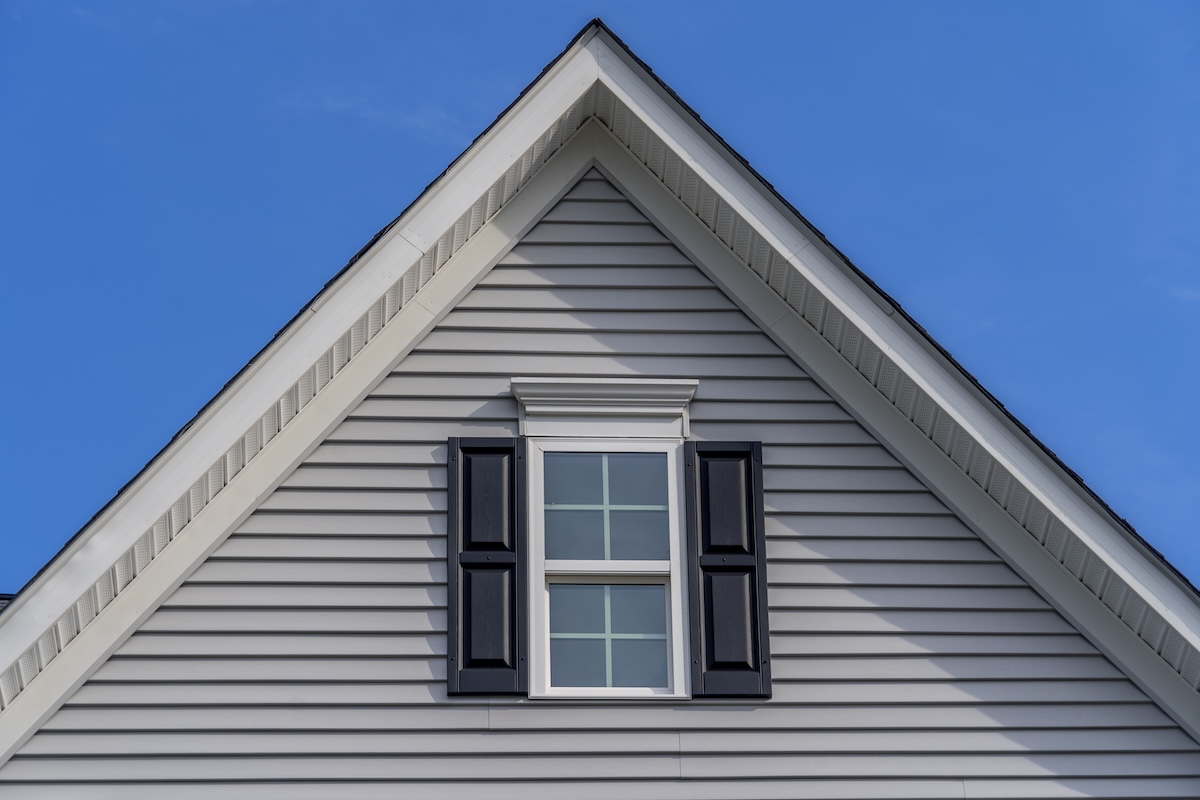
- Definition: A gable roof has two sloped sides that meet at a central ridge, forming a triangle on each end of the home.
- Ventilation: Offers excellent attic airflow and more space for insulation.
- Design flexibility: Accommodates dormers, windows, and architectural accents easily.
Hip Roof vs. Gable Roof Comparison Chart
Below is a simple side-by-side breakdown to help homeowners in Port Edwards and surrounding areas quickly identify key differences:
| Feature | Hip Roof | Gable Roof |
| Number of Slopes | Four | Two |
| Wind Resistance | Excellent | Moderate |
| Snow Handling | Very good | Good, may need reinforcements |
| Attic Ventilation | Limited | Excellent |
| Interior Space | Less usable attic space | More open attic design |
| Construction Cost | Higher due to complex framing | Lower due to simpler framing |
| Maintenance Needs | Moderate | Easy |
| Water Shedding | Even and efficient | Efficient but vulnerable at gable ends |
| Best For | High-wind areas, modern appearance | Classic design, increased attic airflow |
Weather Performance in Wisconsin
Wisconsin’s climate presents strong winds, cold temperatures, and heavy snowfall, all of which influence how well a roof design performs. Understanding how each roof type responds helps you choose a style that will last longer and require fewer repairs. Homeowners looking to understand long-term durability should also review our guide on how long a roof lasts in Wisconsin, which breaks down lifespan expectations based on materials, weather exposure, and proper installation.
Winter Snow Loads
- Hip roof advantage: The four-sided slope sheds snow evenly and reduces stress on rafters.
- Gable roof considerations: Snow sheds well but may accumulate on gable ends, increasing wind pressure.
- Energy benefits: Hip roofs may help reduce heat loss because of their compact shape, while gable roofs allow for deeper attic insulation.
Wind Resistance
- Hip roofs excel: The aerodynamic shape offers strong protection against high winds common in Port Edwards and surrounding areas.
- Gable roof limitations: The flat triangular gable ends can catch wind, making them more prone to uplift without proper bracing.
- Safety factor: Homes in open rural areas often benefit from the additional stability of hip designs.
Homeowners in Port Edwards, WI often benefit from this added stability, especially during seasonal storms that can place significant uplift pressure on less reinforced roof designs.
Rain and Moisture Handling
- Consistent drainage: Hip roofs shed water very effectively from all sides.
- Gable roofs perform well: Water sheds efficiently, but valleys or roof intersections require careful flashing installation.
- Moisture control: Both roof types perform very well when paired with proper gutters and downspouts.
To better understand how water is redirected away from these areas, read our in-depth guide on what roof flashing is and why it’s essential for moisture protection.

Cost Differences Between Hip and Gable Roofs
Roof costs depend on complexity, materials, and labor. Both designs can work with asphalt shingles, metal roofing, and specialty materials, but the structure influences the final pricing.
Hip Roof Costs
- More framing: Requires additional rafters, trusses, and connectors.
- Higher labor demand: The angles and intersections take longer to install.
- Long-term value: Increased durability often leads to lower long-term repair costs.
Gable Roof Costs
- Simple construction: Faster installation and fewer materials reduce upfront cost.
- Easier access: Repairs are simpler because the framing is more straightforward.
- Budget-friendly: Ideal for homeowners seeking affordability without sacrificing protection.
Attic Space and Ventilation
Attic airflow plays a major role in energy efficiency, humidity control, and roof longevity. The roof shape directly affects how well the attic breathes.
Hip Roof Ventilation
- Lower airflow: Because hip roofs have less open gable space, ventilation must rely on ridge and soffit vents.
- Smaller attic: Limited headroom means less usable storage space.
- Requires balance: Proper intake and exhaust ventilation prevents moisture buildup.
Gable Roof Ventilation
- Natural airflow: Gable vents allow excellent air exchange.
- More space: Higher attic pitch provides more room for insulation and storage.
- Energy efficiency: Improved airflow reduces heat in summer and moisture in winter.
Style and Curb Appeal
Both roof types offer attractive designs, but your home’s architecture influences which one looks best.
Hip Roof Appearance
- Smooth symmetry: Creates a clean, modern look across all sides of the home.
- Blends well: Works with ranch-style homes, cottages, and multi-level designs.
- Uniform lines: Hides roof imperfections more easily due to balanced slopes.
Gable Roof Appearance
- Classic shape: Recognizable silhouette that fits traditional Wisconsin homes.
- Design flexibility: Allows dormers, windows, and accents that add character.
- Height advantage: The tall peak creates a bold architectural profile.
Which Roof Type Lasts Longer?
Durability depends on framing, materials, ventilation, and local weather conditions. In general, hip roofs often last longer in high-wind areas because of their stability, while gable roofs perform well when properly braced and ventilated. In communities like Wisconsin Rapids, WI, hip roofs are frequently chosen for their ability to withstand harsh weather conditions, while properly braced gable roofs remain a strong option for homeowners prioritizing attic space and ventilation.
Hip Roof Durability
- Wind-strong: Holds up exceptionally well during strong storms.
- Sturdy design: Balanced pressure distribution reduces stress on the structure.
- Low maintenance: Few large flat surfaces mean fewer uplift risks.
Gable Roof Durability
- Good overall: With proper framing, gable roofs can last as long as hip roofs.
- Vulnerable ends: Gable walls require reinforcement in areas with strong winds.
- Ventilation bonus: Better airflow can extend shingle life by reducing heat buildup.

Why Homeowners Choose Vanguard Roofing & Siding
Whether you prefer a hip or gable roof, working with an experienced contractor ensures the best results. Vanguard Roofing & Siding has installed, repaired, and inspected both roof types across Port Edwards and surrounding areas for years. We help homeowners choose the right design based on weather needs, architecture, and long-term value. Vanguard Roofing & Siding proudly serves homeowners in Stevens Point, WI with professional installations, detailed inspections, and expert guidance to help you select the roof style that best fits your home, budget, and long-term goals.
- Expert craftsmanship: Every installation is handled with precision to maximize durability.
- High-quality materials: We only use roofing products designed to withstand Wisconsin’s climate.
- Customer-focused guidance: Our team provides clear recommendations based on your home and budget.
Choose the Roof Style That Fits Your Home Best
Understanding hip roof vs gable roof makes it easier to choose the roof design that offers the best balance of cost, strength, and appearance. Whether you prioritize attic ventilation, strong wind resistance, or architectural style, both roof types can perform exceptionally well when installed correctly.
Vanguard Roofing & Siding proudly serves Port Edwards and surrounding areas with professional installation, expert inspections, and honest recommendations. Contact our team today to schedule your free inspection and find out which roof design is the best fit for your home.
Recent Articles