Siding replacement is one of the most impactful exterior upgrades homeowners can make, improving both curb appeal and long term protection for the home. Over time, siding can wear down from weather exposure, aging materials, and moisture, making replacement an important investment for maintaining structural integrity and appearance.
- Improves home protection: New siding helps protect the structure from moisture, pests, and weather exposure.
- Boosts curb appeal: Updated siding can dramatically improve the look of a home.
- Supports long term value: Exterior upgrades often help maintain or increase property value.
For homeowners in Waupaca and surrounding areas, understanding siding replacement costs and planning the project carefully can make the process smoother and more predictable.
Signs It May Be Time For Siding Replacement

Siding does not last forever, and many homeowners begin exploring siding replacement when they start noticing visible damage or performance issues. Exterior materials are constantly exposed to sun, wind, moisture, and temperature changes, which can gradually break down their protective qualities.
Recognizing the warning signs early can help prevent more serious structural problems. When siding begins to fail, moisture intrusion and insulation issues can develop behind the exterior walls.
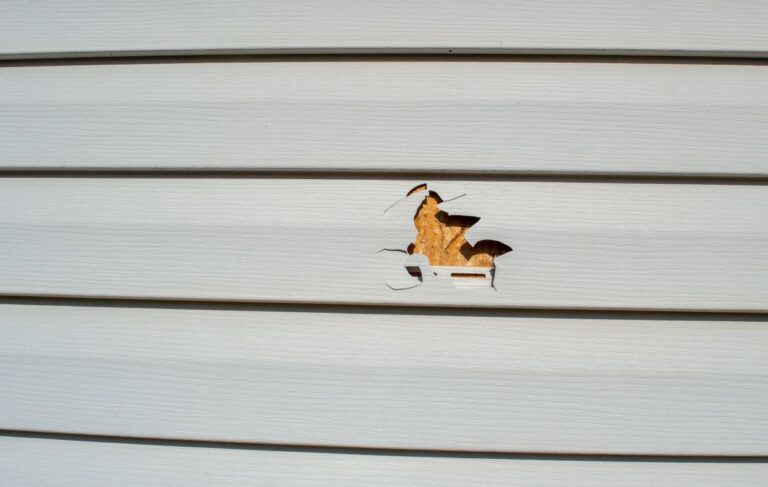
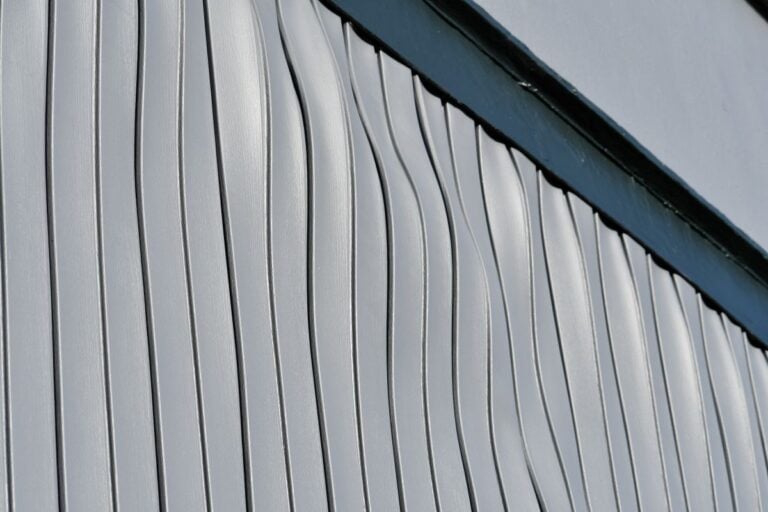
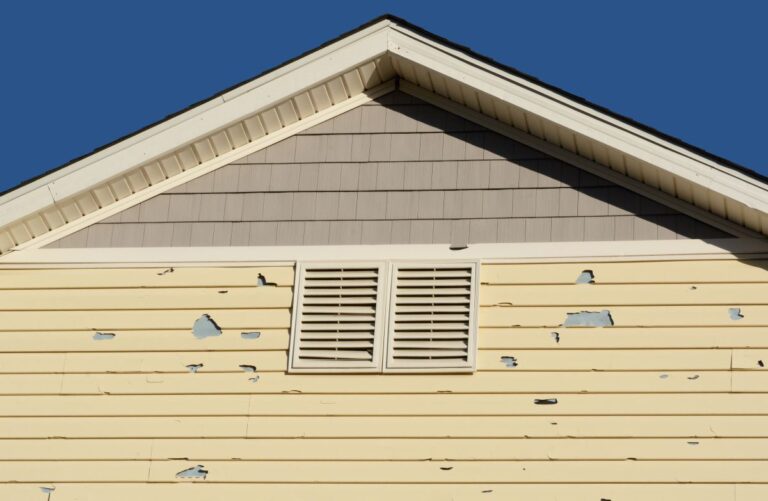
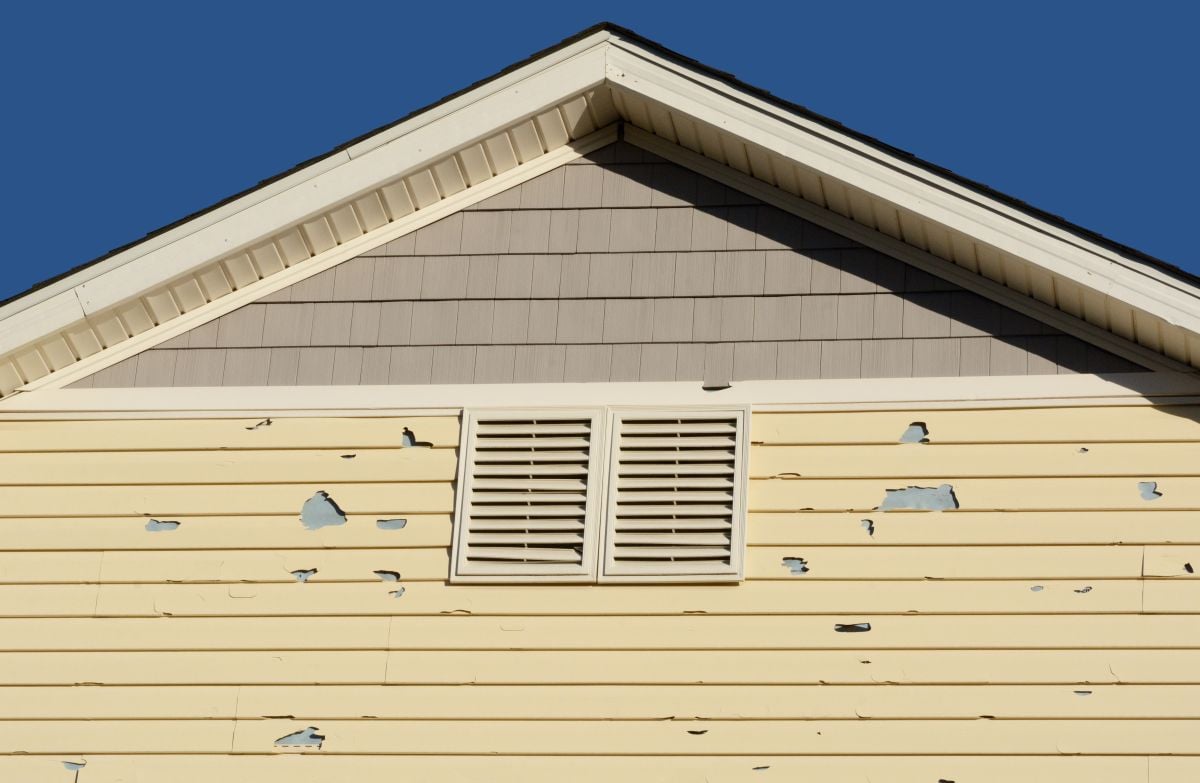
- Visible cracking or warping: Panels that bend or split may no longer protect the home effectively.
- Frequent repainting needs: Constant repainting can signal that siding materials are deteriorating.
- Moisture or mold issues: Water stains or mildew near siding joints may indicate hidden problems.
- Loose or missing panels: Gaps in siding expose the home to weather damage.
What A Typical Siding Replacement Project Includes
A siding replacement project involves more than simply installing new panels on the outside of the home. Contractors typically evaluate the existing exterior, remove the old siding, inspect the wall structure, and install new materials with proper flashing and moisture protection.
This process ensures the home’s exterior system functions correctly and protects the structure underneath. While each project can vary depending on the home and siding material selected, the general process tends to follow similar steps.
- Old siding removal: Existing siding materials are removed to expose the wall structure.
- Wall inspection: Contractors check sheathing and framing for hidden damage.
- Moisture barrier installation: Protective layers help prevent water intrusion.
- New siding installation: Panels or boards are installed with proper spacing and fastening.
Factors That Influence Siding Replacement Costs

Siding replacement costs can vary significantly depending on several key factors. Home size, siding material choice, and labor complexity all influence the final project cost. While it is difficult to estimate a universal price without inspecting a property, understanding what drives costs helps homeowners set realistic expectations.
In areas like Waupaca and surrounding areas, climate conditions and local labor markets can also affect pricing. Homes exposed to heavier weather conditions may require additional protective features or installation considerations.
- Siding material selection: Vinyl, fiber cement, engineered wood, and other materials vary in price.
- Home size and layout: Larger homes require more material and labor.
- Labor complexity: Multi story homes or complex designs may increase installation time.
- Structural repairs: Hidden damage discovered during removal can add to the project scope.
6 Pro Tips For A Successful Siding Replacement Project
Planning ahead can help homeowners avoid surprises during a siding replacement project. The following tips are commonly recommended by exterior professionals to help ensure better results and a smoother experience.
1. Evaluate Your Current Exterior Carefully
Before moving forward with siding replacement, it is important to understand the condition of the existing exterior. Some homes may have localized damage that can be repaired rather than requiring full replacement. A careful inspection helps determine whether replacement is truly necessary.
- Look for widespread damage: Multiple failing panels often indicate replacement is needed.
- Check moisture indicators: Soft spots or stains can signal hidden water problems.
- Consider siding age: Older materials may be nearing the end of their lifespan.
2. Choose A Material That Fits Your Climate
Climate plays a major role in siding performance. Materials that work well in mild climates may not perform as well in regions with freezing winters, snow, and humidity. Selecting siding suited for local weather helps improve longevity.
- Freeze thaw durability: Materials should handle temperature swings.
- Moisture resistance: Important in areas with rain and snow.
- UV stability: Sun exposure can affect certain siding finishes.
3. Consider Long Term Maintenance

Some siding materials require more maintenance than others. While lower maintenance options may cost more upfront, they can save time and money over the life of the home.
- Repainting needs: Some materials require periodic painting.
- Cleaning requirements: Certain siding types collect dirt more easily.
- Repair accessibility: Consider how easy it is to replace individual panels.
4. Pay Attention To Trim And Details
Trim pieces, corner boards, and window surrounds play an important role in the finished appearance of a siding project. These details help create a cohesive look and improve water management.
- Corner trim elements: Provide a clean finish between siding sections.
- Window flashing: Helps direct water away from openings.
- Accent options: Trim color can highlight architectural features.
5. Think About Insulation Opportunities
Siding replacement can also be a chance to improve exterior insulation. Some homeowners add insulated sheathing or siding products to improve energy performance.
- Exterior insulation boards: Help reduce thermal bridging.
- Energy efficiency potential: Can improve indoor comfort.
- Better wall protection: Adds another barrier against weather.
6. Review Warranty And Product Information
Many siding products come with manufacturer warranties that outline coverage for defects or performance issues. Understanding these warranties helps homeowners make more informed decisions.
- Product warranties: Coverage varies between materials.
- Finish warranties: Some products include paint or coating protection.
- Installation considerations: Improper installation may affect warranty coverage.
Planning Your Siding Replacement With Confidence
Siding replacement is a major home improvement project, but with the right preparation it can significantly improve both the appearance and durability of your home. Understanding cost factors, choosing materials carefully, and working with knowledgeable professionals can help homeowners avoid common mistakes.
If you are considering siding replacement and want expert insight tailored to your home, Vanguard Roofing & Siding is here to help. Reach out today to schedule a free inspection and learn more about exterior solutions for homes in Waupaca and surrounding areas.
Recent Articles