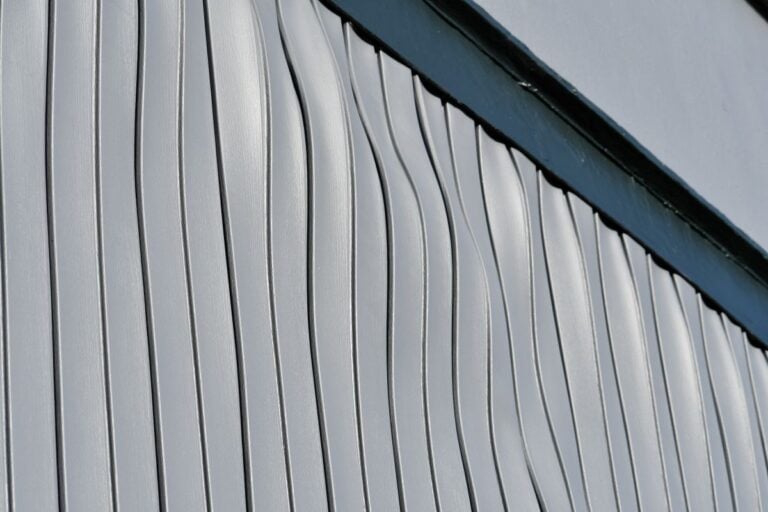
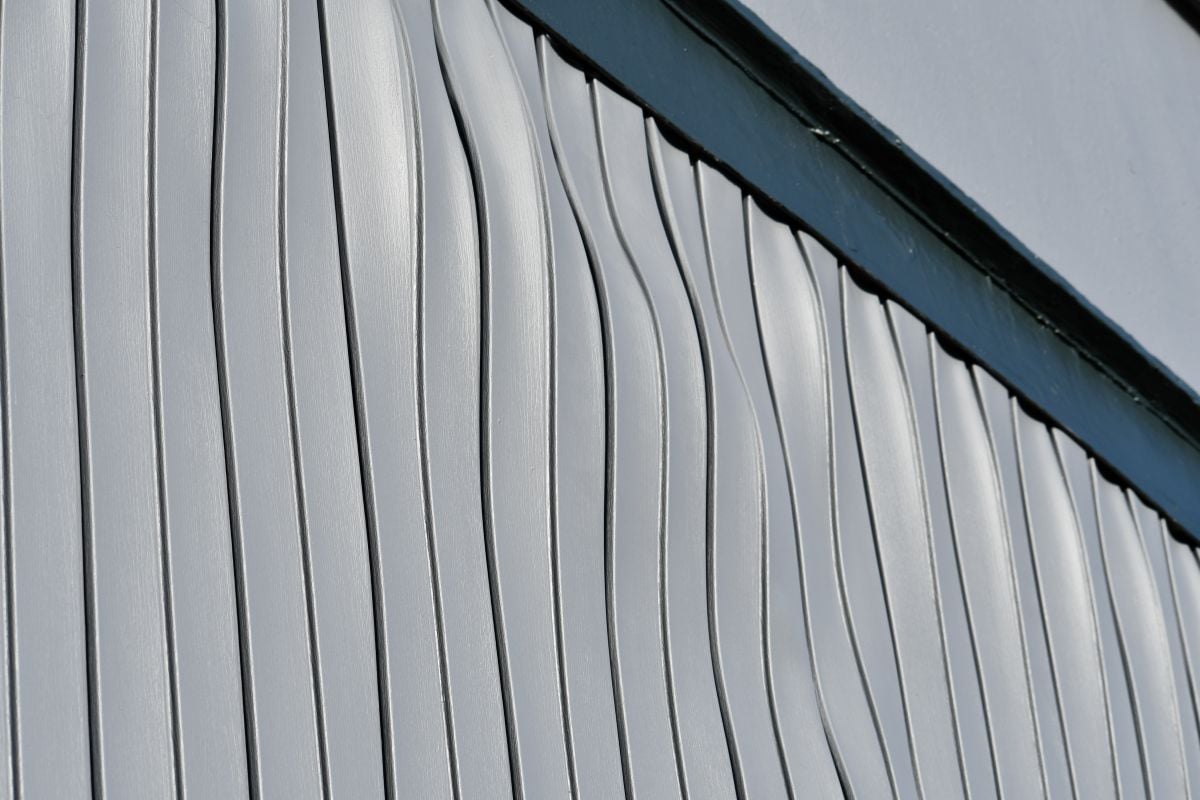
Warped siding is a common exterior issue that homeowners may notice as siding panels begin to bend, bulge, or pull away from the wall. While siding is designed to protect the home from weather and environmental exposure, certain conditions can cause materials to shift or distort over time.
- Affects curb appeal: Warped siding can make a home’s exterior look uneven or poorly maintained.
- May signal deeper issues: In some cases, warping can point to moisture or installation problems.
- Often repairable: Many warped siding problems can be corrected when addressed early.
For homeowners in Amherst and surrounding areas, understanding the causes of warped siding can help prevent further damage and guide the best repair approach.
What Causes Siding To Warp?

Siding is constantly exposed to sunlight, moisture, wind, and temperature fluctuations. Over time, these factors can cause materials to expand, contract, or weaken. Warping often occurs when siding cannot move naturally during these temperature changes or when moisture becomes trapped behind the panels.
The type of siding material also plays a role. Vinyl, wood, and engineered wood siding all react differently to environmental stress. Identifying the cause of warped siding is important because the correct repair method depends on what created the issue in the first place.
- Temperature changes: Heat and cold can cause materials to expand and contract.
- Moisture exposure: Water infiltration can weaken siding or underlying materials.
- Installation issues: Improper fastening or spacing can lead to movement problems.
- Material aging: Older siding may lose strength and flexibility over time.
4 Common Causes Of Warped Siding (And How To Fix Them)
Warped siding can happen for several reasons, and the repair solution often depends on the source of the problem. Understanding these common causes can help homeowners decide whether a simple repair or a larger exterior upgrade may be necessary.
1. Heat Exposure From Sunlight
Direct sunlight can cause siding materials, especially vinyl, to expand significantly. If the panels do not have enough room to move during expansion, they may begin to buckle or warp. Heat reflection from nearby windows or reflective surfaces can sometimes intensify this effect.
Fixing heat related warping typically involves replacing the affected panels and ensuring they are installed with proper spacing so they can expand and contract naturally.
- Thermal expansion: Heat can cause siding to grow slightly in size.
- Restricted movement: Tight installation can trap the material and cause buckling.
- Panel replacement: Damaged sections are often removed and replaced.
- Proper spacing: Correct installation allows panels to move with temperature changes.
2. Improper Siding Installation
Improper installation is one of the most common causes of warped siding. If nails are driven too tightly, panels cannot move as designed. This restricts natural expansion and contraction, which can cause the siding to bend or ripple over time.
Correcting this issue often involves removing affected sections and reinstalling them with proper fastening techniques. Experienced installers understand how siding should be secured so it can move slightly without becoming loose.
- Overtightened fasteners: Nails that are too tight restrict panel movement.
- Incorrect spacing: Improper alignment can create pressure points.
- Reinstallation needed: Panels may need to be removed and installed correctly.
- Professional installation: Proper techniques help prevent recurring problems.
3. Moisture Damage Behind The Siding

Moisture trapped behind siding can weaken the structure of the exterior wall and lead to visible warping. Water intrusion may occur when flashing, caulking, or drainage systems fail to direct moisture away from the wall.
When moisture damage is the cause, repairs often involve addressing the water source first. This may include fixing flashing details, replacing damaged sheathing, and reinstalling siding panels properly.
- Hidden water issues: Moisture can build up behind siding panels.
- Structural impact: Damaged sheathing can push siding outward.
- Moisture barrier repairs: Flashing and sealing may need improvement.
- Siding reinstallation: Panels are replaced after underlying repairs.
4. Aging Or Deteriorating Siding Materials
Over time, siding materials can weaken due to years of exposure to sun, rain, wind, and temperature changes. Older siding may become brittle, lose structural strength, or begin to distort as it ages.
When siding has reached the end of its lifespan, repairs may only provide a temporary solution. In some cases, homeowners begin exploring siding replacement if multiple areas of the exterior are showing signs of deterioration.
- Material fatigue: Older siding may no longer hold its shape.
- Surface deterioration: Weather exposure breaks down materials over time.
- Repeated repairs: Multiple problem areas may signal aging siding.
- Replacement consideration: Widespread warping may justify a full exterior update.
Pros And Cons Of Repairing Warped Siding
| Pros | Cons |
| Improves curb appeal: Repairing warped panels restores the home’s appearance. | May not fix underlying problems: Repairs must address the root cause. |
| Prevents further damage: Early repairs can stop moisture or structural issues from spreading. | Temporary solution for aging siding: Older materials may continue to fail. |
| More affordable than full replacement: Localized repairs can reduce project costs. | Color matching challenges: Older siding colors may be difficult to match. |
| Maintains exterior protection: Properly repaired siding helps protect the home. | Hidden damage risk: Problems behind the siding may not be visible immediately. |
When Warped Siding Might Mean Replacement

Not all warped siding situations require full replacement. However, when multiple areas of the home are showing signs of distortion, cracking, or separation, it may indicate that the siding has reached the end of its useful life. In these cases, replacement can sometimes be more cost effective than repeated repairs.
Homes in Amherst and surrounding areas often face seasonal temperature swings, wind, and moisture exposure. Over time, these environmental factors can gradually weaken siding materials and lead to widespread warping.
- Large affected areas: Multiple warped sections across the exterior.
- Frequent repair needs: Recurring problems after previous fixes.
- Visible material deterioration: Cracking or fading alongside warping.
- Age of siding: Older installations may be nearing replacement.
A Smarter Way To Handle Warped Siding
Warped siding can start as a cosmetic issue but sometimes signals deeper exterior problems that should not be ignored. Identifying the cause early and addressing it properly helps protect your home’s structure and maintain curb appeal. Whether the solution involves simple repairs or evaluating larger exterior upgrades, understanding the underlying issue is key.
If you are dealing with warped siding and want professional insight on the best repair options, Vanguard Roofing & Siding can help. Reach out today to schedule a free inspection and get expert guidance for your home in Amherst and surrounding areas.
Recent Articles