If you’ve ever wondered what is roof flashing, it’s one of the most critical yet often overlooked parts of yourroofing system. Flashing keeps your home protected from leaks by sealing vulnerable areas like chimneys, vents, and skylights. Without it, even a brand-new roof could allow water intrusion and costly damage.
Here’s what you’ll learn in this guide:
- Definition and purpose: What roof flashing does and why every home needs it.
- Types of flashing materials: Which options provide the best long-term protection.
- Common issues and maintenance tips: How to keep your flashing in top shape year-round.
What Is Roof Flashing?
Roof flashing is a thin, waterproof material—often made from metal or synthetic products—installed at joints or intersections where the roof meets other surfaces. Its primary role is to redirect water away from these vulnerable seams, preventing leaks and structural damage. If you want a deeper breakdown of flashing materials, applications, and common mistakes homeowners make, check out our detailed guide on what is roof flashing, where we cover everything you need to know before issues arise.

Where Flashing Is Installed
Flashing is strategically placed in high-risk areas such as:
- Valleys: Where two roof slopes meet and collect runoff.
- Chimneys and vents: Around protrusions that penetrate the roof surface.
- Eaves and edges: To prevent water from seeping under shingles.
- Skylights and dormers: Around roof features with exposed seams.
How It Works
Flashing acts as a barrier that channels water safely toward gutters and downspouts. It’s especially vital in Wisconsin’s wet and snowy climate, where melting snow can easily creep into roof joints without proper sealing.
Types of Roof Flashing Materials
The right flashing material depends on your roof design, local weather, and budget. Here are the most common types used in Plover and surrounding areas.
- Aluminum Flashing: Lightweight, rust-resistant, and easy to install, aluminum flashing is one of the most common options for residential roofs. It’s versatile and affordable, though it may corrode if exposed to certain chemicals or treated lumber.
- Copper Flashing: Copper is durable, long-lasting, and naturally resistant to corrosion. It’s also visually appealing, often used on higher-end homes for its classic patina look. The main drawback is cost—copper flashing is among the most expensive materials available.
- Galvanized Steel Flashing: This type offers excellent strength and affordability. It’s commonly used in asphalt shingle roofs but can eventually rust if not properly maintained or coated.
- PVC and Rubber Flashing: Synthetic flashing is flexible and often used around vents and pipes. While not as long-lasting as metal, it’s highly effective in sealing irregular shapes and preventing water leaks.

6 Common Types of Flashing on a Roof
Each type of flashing serves a specific purpose. Here’s how they work together to keep your home watertight:
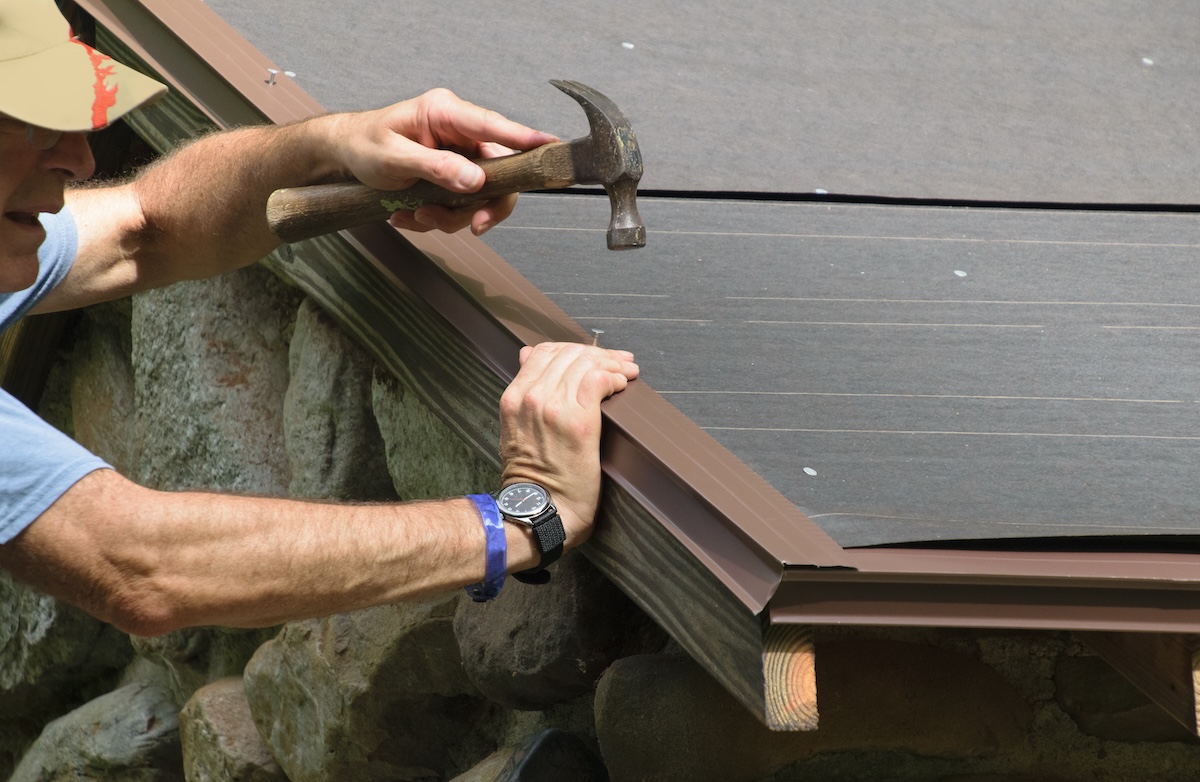
- Step Flashing: Installed where a roof meets a vertical wall, such as along chimneys or dormers, using overlapping L-shaped pieces to direct water downward.
- Valley Flashing: Protects the area where two roof planes meet, ensuring runoff flows smoothly without pooling.
- Drip Edge Flashing: Placed along roof edges to prevent rainwater from entering beneath the shingles.
- Vent Pipe Flashing: Seals around plumbing and exhaust pipes that penetrate the roof surface.
- Kickout Flashing: Guides water away from siding at roof-to-wall intersections, preventing staining or rot.
- Continuous Flashing: A long strip of metal that directs water down a wall or over roof joints; often used for low-slope sections.
Why Roof Flashing Is So Important
Even the best shingles can’t protect your home if flashing is missing, damaged, or improperly installed. Flashing plays a vital role in your roof’s overall health and longevity, sealing every gap that shingles alone can’t cover. It prevents leaks, protects your structure, and ensures your roof system can handle Wisconsin’s heavy snow, rain, and ice. Without properly installed flashing, moisture can sneak into joints and cause damage that often goes unnoticed until repairs become expensive. In short, it’s the hidden hero of a watertight roofing system. Understanding how flashing works alongside your entire roofing system is key to long-term performance—especially when considering roof longevity, which we explain in our guide on how long a roof lasts in Wisconsin.
Prevents Leaks and Water Damage
- Moisture protection: Flashing keeps rain, snow, and melting ice from seeping beneath shingles and into your attic or insulation.
- Stops small leaks early: Even a pinhole gap around a vent or chimney can lead to major damage if water infiltrates repeatedly.
- Preserves interior spaces: Properly sealed flashing helps prevent stains on ceilings, warped drywall, and mold growth caused by hidden leaks.
- Winter-ready defense: In climates like Plover and surrounding areas, flashing helps channel snowmelt away from vulnerable seams, reducing ice dam risks and long-term water exposure.
Protects Structural Integrity
- Preserves framing: Flashing protects the wooden skeleton of your home — rafters, beams, and decking — from slow, destructive moisture intrusion.
- Prevents rot and decay: Without flashing, trapped water weakens structural supports, eventually compromising the stability of your roof.
- Avoids costly restoration: Structural water damage often requires extensive replacement of roof decking or framing, which is far more expensive than proactive flashing maintenance.
- Supports longevity: Keeping your structural framework dry ensures your entire roofing system performs efficiently and lasts for decades.
Extends Roof Lifespan
- Reduces wear and tear: Flashing minimizes direct water exposure on shingles and underlayment, preventing premature deterioration.
- Protects seal integrity: It reinforces vulnerable joints where different roofing materials meet, preventing early cracking or warping.
- Improves system performance: A well-flashed roof maintains even water flow, reducing stress on gutters and keeping the system balanced.
- Maximizes investment value: By safeguarding every component, flashing extends the lifespan of your roof and preserves your home’s resale value over time.

Common Roof Flashing Problems
Flashing is built to last, but exposure to Wisconsin’s freeze-thaw cycles and high winds can lead to damage over time.
- Corrosion or Rust: Metal flashing can corrode if the protective coating wears off, especially around chimney bases or in areas with standing water.
- Loose or Missing Sections: Strong winds or improper installation can cause flashing to lift or detach, leaving gaps where water can penetrate.
- Cracked Sealant: Flashing is often sealed with caulk or roofing cement, which can crack as it ages. Reapplying sealant periodically helps maintain a watertight barrier.
How to Maintain Your Roof Flashing
Regular maintenance ensures your flashing performs effectively year-round and helps extend the life of your entire roofing system. Even the most durable materials can degrade over time due to temperature swings, wind, or debris buildup. With a simple maintenance routine, you can prevent small issues from turning into costly leaks and protect your home through every season.
- Inspect Twice a Year: Schedule roof inspections in the spring and fall to spot early signs of wear, corrosion, or loose sections. Catching small issues early prevents expensive repairs later.
- Clear Gutters and Debris: Blocked gutters can cause water to pool near flashing, increasing the risk of leaks. Keep gutters clean and ensure proper drainage around roof edges.
- Reapply Sealant as Needed: Inspect caulking around chimneys, skylights, and vent pipes. If it’s cracked or deteriorating, replace it with high-quality roofing sealant.
When to Replace Roof Flashing
While flashing can last decades, there are times when replacement becomes necessary. Over the years, exposure to harsh Wisconsin weather, temperature fluctuations, and general roof wear can weaken seals or corrode metal components, reducing their effectiveness. Replacing flashing at the right time helps prevent leaks and protects your roof’s structural integrity.
- During roof replacement: Always replace flashing when installing a new roof for maximum protection.
- After severe storms: High winds or hail can loosen or dent metal flashing, requiring prompt repair.
- Visible leaks or rust: If you notice water stains inside your home, rusted flashing could be the culprit.
Professional vs. DIY Flashing Repairs
While minor caulking touch-ups can be done yourself, most flashing repairs require professional expertise to ensure long-term protection. Flashing is one of those components that looks simple but plays a complex role in preventing leaks. Improper installation or repair can easily lead to trapped moisture, interior damage, and costly future replacements. Understanding when to handle small fixes on your own and when to call a roofing professional helps protect both your home and your investment.
Why Hire a Professional
- Proper installation: Ensures flashing is layered and sealed correctly with surrounding materials.
- Safety: Working around roof edges or chimneys can be dangerous without the right equipment.
- Warranty protection: Professional repairs maintain your roof warranty and prevent voided coverage.
When DIY Might Work
If the damage is minimal—like resealing a small vent pipe—you can use a quality roofing sealant to patch the area temporarily. However, it’s always best to have a professional confirm the repair’s integrity afterward.

Why Homeowners in Plover Trust Vanguard Roofing & Siding
When it comes to protecting your home from leaks, experience matters. Vanguard Roofing & Siding has years of expertise inspecting and repairing flashing across Plover and surrounding areas. Vanguard Roofing & Siding serves homeowners throughout Central Wisconsin, including Stevens Point, with professional roof inspections and flashing repairs designed to withstand harsh weather, snowmelt, and seasonal temperature swings.
- Comprehensive roof evaluations: We identify weak spots before they become major issues.
- High-quality materials: From aluminum to copper, we use durable flashing built to last.
- Customer-first approach: Our process is transparent, timely, and focused on long-term results.
Protect Your Roof With Proper Flashing
Now that you know what is roof flashing and why it’s essential, you can see how much this small detail impacts your roof’s overall performance. Whether your home has aging flashing, storm damage, or visible leaks, addressing the issue early protects your home and saves money in the long run. Vanguard Roofing & Siding proudly provides expert flashing inspections, repairs, and replacements for homeowners in Plover, WI, helping protect homes from leaks, moisture damage, and long-term structural issues year-round.
Vanguard Roofing & Siding proudly serves homeowners in Plover and surrounding areas with expert roof inspections, flashing repairs, and full replacements. Contact our team today to schedule your free inspection and keep your home safe, dry, and protected year-round.
Recent Articles