Every roof ages differently, but there comes a point when an old roof starts sending signals that are easy to miss if you are not looking closely. For homeowners in Lisle and surrounding areas, catching those signals early can mean the difference between a simple repair and a costly replacement down the road. Whether your home has been standing for decades or you recently moved into a place with an aging roof, knowing what to watch for helps you protect your investment before small issues turn into bigger ones with confidence and clarity.
What you’ll learn:
- The main warning signs that your roof may be nearing the end of its useful life
- Why acting early can save you money, stress, and time down the road
- What a professional inspection actually looks for
- How local weather patterns affect the pace of roof aging

Why an Old Roof Deserves Your Attention
A roof rarely fails all at once. Instead, small issues quietly build up over years until they turn into leaks, structural damage, or an emergency repair that could have been avoided. Recognizing the early signs of aging gives you the power to act on your own timeline instead of scrambling after a storm or a sudden leak in the middle of the night.
- Cost savings: Addressing minor wear early is almost always cheaper than an emergency replacement later.
- Energy efficiency: An aging roof with damaged insulation or ventilation can quietly drive up heating and cooling costs.
- Home value: A well-maintained roof supports your home’s resale value and curb appeal.
- Peace of mind: Knowing your roof is sound means one less thing to worry about in severe weather.
For many homeowners in Lisle and surrounding areas, the freeze and thaw cycles of an Illinois winter can accelerate wear that might otherwise take years to show up. Paying attention now helps you stay ahead of problems instead of reacting to them once they have already caused damage.
It is also important to think about your roof as a system rather than a single surface, since shingles, flashing, and ventilation all work together and a weakness in one area speeds up wear in another. Inspecting your roof at least twice a year and after any major storm is a simple maintenance habit that catches this kind of hidden wear before it spreads.
How to Determine Your Roof’s Age
If you are unsure how old your roof is, especially after buying the home from a previous owner, check building permits, home improvement receipts, or warranty paperwork from a past contractor for the installation date. If those records are unavailable, historical satellite imagery can sometimes show visible changes over time. Knowing your roof’s age helps you assess how much useful life remains, plan ahead financially, and provide documentation if you decide to sell your home or apply for a mortgage.
7 Signs Your Roof Is Reaching the End of Its Life
Not every warning sign is obvious from the ground, which is why it helps to know exactly what everyday wear and tear looks like before you climb a ladder or call a professional. Below are the most common indicators that a roof may need attention sooner rather than later.
1. Curling or Buckling Shingles
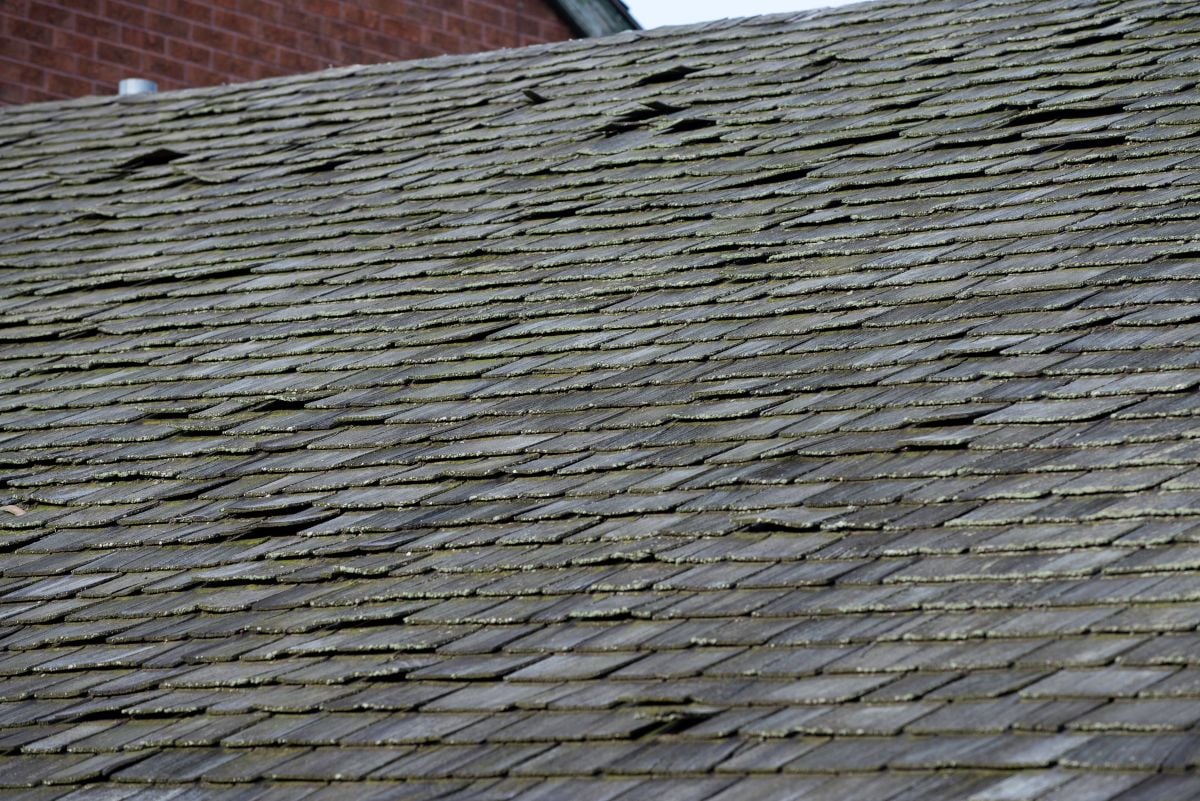
Shingles that curl at the edges or buckle in the middle are usually reacting to age, sun exposure, or moisture trapped underneath the surface. This is one of the clearest visual signs that the materials have started to break down and lose their protective ability.
- Curling often shows up first on the sunniest side of the roof
- Buckling can point to moisture or ventilation issues underneath the shingles
- Moss and algae growth can trap moisture against the roofing materials and speed up deterioration
2. Missing or Cracked Shingles
High winds, hail, and everyday wear can knock shingles loose or crack them over time, especially on roofs that are already past their prime. Once a shingle is compromised, the layers beneath it become exposed to water, sun, and further damage that spreads quickly if left alone.
A single missing shingle can allow water to travel under neighboring shingles during heavy rain

3. Granule Loss in Gutters
Asphalt shingles shed small granules as they age, and finding a noticeable buildup of these particles in your gutters is a strong sign your shingles are wearing thin. A small amount right after installation is normal, but a steady, ongoing buildup years into a roof’s life means it is a good idea to have your roof looked at before the next storm season.
4. Daylight Through the Roof Boards
If you climb into your attic and can see daylight coming through the roof boards, that almost always points to gaps, rot, or separation that need attention right away. This issue often goes unnoticed until a professional inspection uncovers it.
5. Sagging Rooflines
A roofline that dips or sags instead of running straight across is one of the more serious signs of an aging roof. A sagging roof deck can indicate that trapped moisture has already rotted the wooden decking underneath, a clear sign of significant water damage. This should never be ignored, and regular maintenance plus prompt attention to minor leaks can help prevent it from developing in the first place.
6. Water Stains on Ceilings or Walls
Discoloration or staining on interior ceilings and walls is often the first sign homeowners actually notice, even though the underlying roof damage may have started well before the stain became visible. By the time a stain appears, moisture has usually been finding its way in for some time already.
- Stains near chimneys, skylights, or vents often point to flashing problems rather than the shingles
- A musty smell in the attic can accompany water stains and should not be ignored
7. Rising Energy Bills
An aging roof with worn insulation or failing ventilation can make it harder to keep your home at a comfortable temperature, which often shows up as a noticeable jump in energy bills. This sign is easy to overlook since it rarely comes with a visible clue.
If you notice even one or two of these signs, it is worth scheduling an inspection rather than waiting for the problem to grow. Catching these issues early almost always gives you more options and a lower price tag than waiting until repair or replacement becomes unavoidable.

How Local Weather Speeds Up Roof Aging
Roofing materials are built to handle a wide range of conditions, but repeated exposure to extreme temperature swings and severe storms will wear down even a well-installed roof faster than expected. Homeowners in Lisle and surrounding areas deal with a mix of cold winters, humid summers, and unpredictable storm seasons that all play a role in how quickly a roof shows its age.
- Freeze and thaw cycles: Winter ice can work its way under shingles, then expand and contract as temperatures shift, gradually loosening materials.
- UV exposure: Long summer days accelerate granule loss and make shingles more brittle over time.
- Wind and hail: Sudden storms can cause damage that is not always visible from ground level right away.
- Humidity and moisture: Poor attic ventilation combined with humidity can lead to mold growth and faster decking deterioration.
Understanding these factors helps explain why two roofs of the same age and material can wear very differently depending on how well they were ventilated and maintained over the years. A roof that was properly cared for from the start will almost always outlast one that was neglected.
Deciding Between Repair and Replacement
Not every sign of an aging roof means a full replacement is necessary right away. In many cases, a targeted repair can extend the life of your roof for several more years, while other situations call for a complete solution. Knowing which category your roof falls into helps you plan your budget and timeline with far more confidence.
How long a repair holds up also depends on your roofing material’s quality and durability. Asphalt shingles typically last 20 to 25 years, with architectural shingle roofs often reaching 20 to 30 years. Metal roofing offers far more longevity, often lasting 40 to 70 years, while tile and slate can last more than 50 years. Flat roofs tend to last 10 to 25 years depending on the materials used. Replacing a few damaged shingles can extend a roof’s life, but full replacement is the smarter, more cost effective choice once a roof nears the end of its expected range.
| Situation | Repair May Be Enough | Replacement Is Likely Needed |
| A few missing or cracked shingles | Yes | No |
| Isolated leak with no widespread damage | Yes | No |
| Sagging roofline or structural damage | No | Yes |
| Roof is nearing or past its expected lifespan | No | Yes |
| Multiple areas showing granule loss | Sometimes | Sometimes |
How Roof Age Affects Insurance Coverage
Insurance companies pay close attention to roof age when calculating premiums and settling claims, which helps you make smart decisions about repair or replacement timing. Roofs over 20 years old may face higher premiums, and many insurers switch coverage from replacement cost value to actual cash value once a roof reaches 10 to 20 years old. Replacement cost value pays what it costs to install a comparable new roof, while actual cash value factors in depreciation, meaning a lower payout as your roof ages.
- Roofs with less than 4 years of remaining life can face up to 50 percent more damage risk, which insurers weigh in their coverage decisions
- Knowing the difference between actual cash value and replacement cost value helps you negotiate if you ever need to file a claim
- Documentation of your roof’s age and condition strengthens your defense if an insurer disputes a claim
Contact your insurance company directly to ask how depreciation applies to your specific coverage before you need to file a claim.
A professional inspection remains the most reliable way to know for sure which path makes sense for your home, and it is especially worthwhile once a roof passes the 15 to 20 year mark. An experienced contractor can spot details that are easy to miss from the ground, giving you a clearer picture before you commit to any decision about repair or replacement.

Protect Your Home Before Small Issues Become Big Ones
An aging roof does not have to turn into a stressful emergency if you know what signs to watch for and act on them early. Staying proactive is almost always the better choice for both your home and your budget in the long run.
At Vanguard Roofing, we help homeowners in Lisle and surrounding areas get a clear, honest assessment of their roof’s condition so they can make informed decisions with confidence. If any of the signs above sound familiar, do not wait for a small problem to turn into a much bigger one. Contact us today to schedule an inspection and get the answers you need about your roof’s condition.
Recent Articles