Proper airflow is one of the most overlooked parts of a healthy roofing system, and understanding the different roof ventilation types available can help you avoid moisture damage, high energy bills, and premature shingle wear. Every attic needs a balance of intake and exhaust to keep air moving properly throughout the year. Homeowners in Bolingbrook and surrounding areas often deal with humid summers and cold winters, both of which put extra strain on a poorly ventilated roof. Before deciding which system fits your home best, it helps to first see how the right materials work together to protect your entire roofing system from the inside out.
In this guide, you’ll find:
- Why proper roof ventilation matters for your home’s health and efficiency
- The most common roof ventilation types and how each one works
- How intake and exhaust vents work together
- What to consider when comparing ventilation options for your roof

Why Roof Ventilation Matters for Your Home
A roof that cannot breathe properly is more likely to develop problems long before it reaches the end of its expected lifespan. Trapped heat and moisture in the attic can damage insulation, warp roof decking, and even shorten the life of your shingles from the underside up.
- Moisture control: Proper airflow helps prevent condensation that can lead to mold and rot.
- Energy efficiency: Balanced ventilation reduces heat buildup in summer, easing the load on your cooling system.
- Shingle protection: Excess attic heat can accelerate shingle aging from underneath, even on a newer roof.
- Ice dam prevention: Good airflow in winter helps keep attic temperatures consistent, reducing the risk of ice dams along the eaves.
For homeowners in Bolingbrook and surrounding areas, proper ventilation is especially important given the mix of humid summers and freezing winters the region experiences each year. Taking the time to evaluate your current setup can reveal simple fixes that make a noticeable difference in comfort and roof longevity.
Many homeowners assume ventilation problems will announce themselves clearly, but the signs are often subtle at first. A slightly higher energy bill, a musty smell after a rainy week, or shingles that seem to be aging faster than expected can all trace back to airflow issues that have been building for years without anyone noticing, which is exactly why understanding your options ahead of time is so valuable.
6 Roof Ventilation Types to Consider
Not all ventilation systems work the same way, and most roofs actually rely on a combination of intake and exhaust vents rather than a single type. Here are six of the most common roof ventilation types used on homes throughout Bolingbrook and surrounding areas.
1. Ridge Vents
Installed along the peak of the roof, ridge vents allow hot air to escape continuously along the entire ridge line. They are one of the most popular exhaust vent options because they blend into the roofline and provide even airflow without relying on any moving parts, which also means there is little to maintain once installation is complete.
2. Soffit Vents
Soffit vents are installed under the eaves and serve as the primary intake vent for most ventilation systems. Cool air enters through the soffit and pushes warm air up and out through exhaust vents higher on the roof, creating continuous airflow that keeps the attic from becoming stagnant.
- Often paired with ridge vents for a complete system
- Can become blocked by insulation if not installed carefully
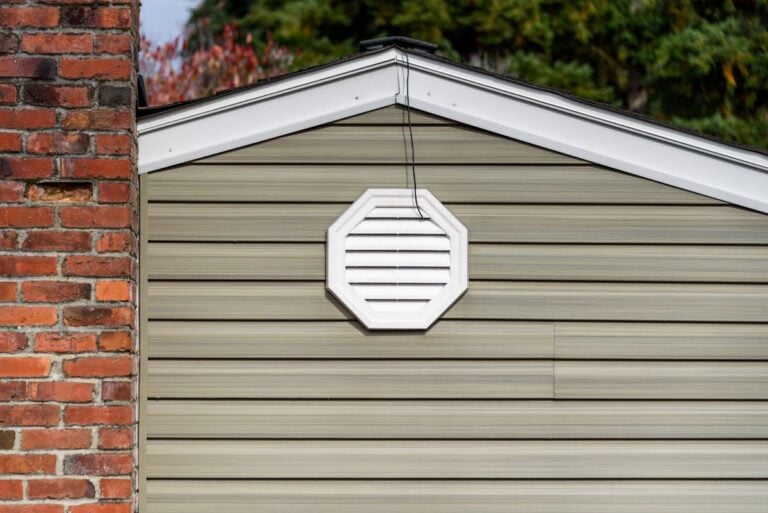
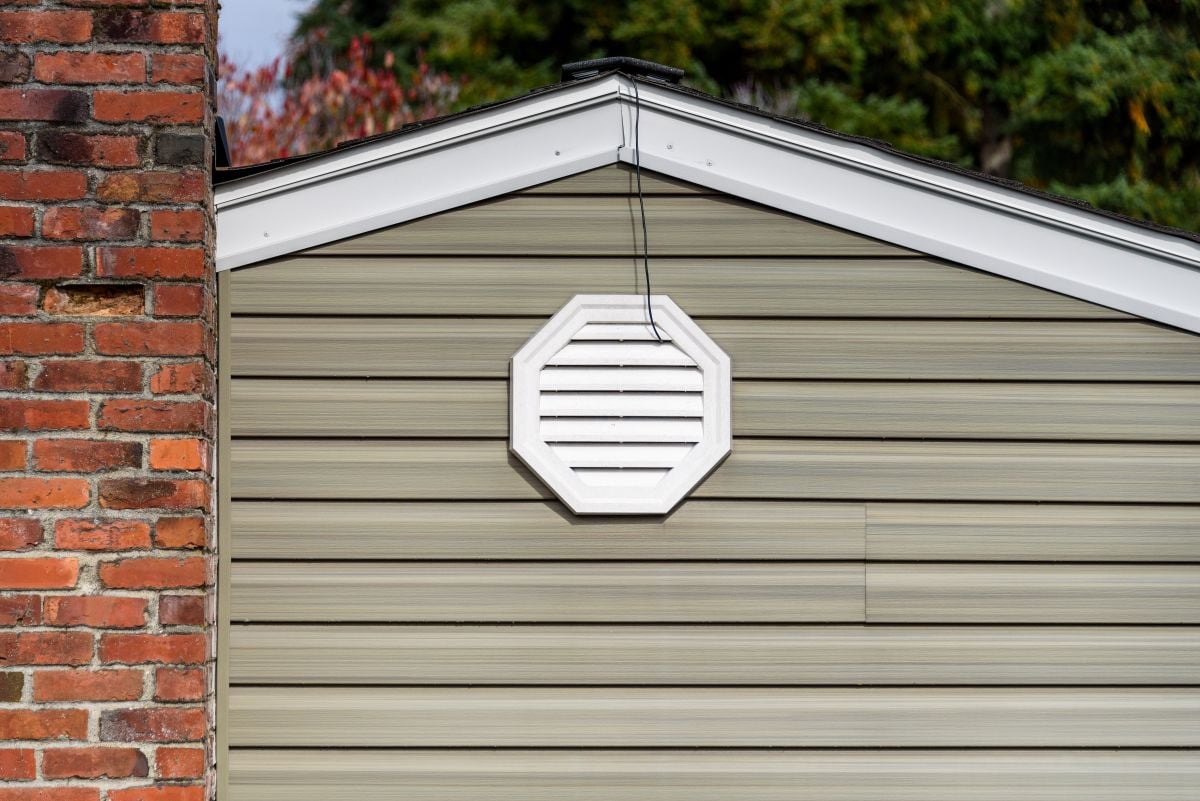
3. Gable Vents
Gable vents are installed on the vertical end walls of a home’s attic and allow air to flow horizontally rather than vertically. They can work well on their own or alongside other vent types, though they are sometimes less efficient when combined with ridge vents due to conflicting airflow patterns that can short circuit the intended flow of air.

4. Box Vents
Box vents, sometimes called static vents, are small individual vents installed near the roof ridge that allow hot air to escape passively. They are a simple, budget friendly option, though multiple units are often needed to properly ventilate an average sized roof, and their placement matters more than it might seem at first glance.
5. Power Attic Fans
Power attic fans use an electric motor to actively pull hot air out of the attic, which can be especially useful in homes with limited natural airflow. These fans can lower attic temperatures quickly, but they do require electricity to run and occasional maintenance to keep the motor working properly over the years.
6. Turbine Vents
Turbine vents use wind to spin a turbine that pulls air out of the attic without any electricity. They work well in areas with consistent breeze but can become less effective on completely still days, which makes them a better fit for some properties than others depending on local wind patterns.
Most well ventilated roofs pair an intake vent, like soffit vents, with an exhaust vent, like ridge vents or power fans, to create a continuous flow of air. Working with a professional to evaluate your attic’s specific needs is the best way to determine which combination will perform best on your home, since attic size, roof shape, and local climate can all shift the ideal setup from one house to the next.
Balancing Intake and Exhaust Ventilation
Choosing the right ventilation type is only half the equation, since a roof also needs the right balance between how much air enters and how much air leaves the attic. Too much exhaust without enough intake can actually pull conditioned air from inside your home into the attic, working against the system’s purpose and driving up energy costs in the process.
Calculating How Much Ventilation You Need
Most building codes recommend one square foot of ventilation for every 150 square feet of attic floor space, though this ratio can be adjusted depending on your specific setup and vapor barrier. Roughly half of this ventilation should come from intake vents and half from exhaust vents to maintain proper balance. Getting this ratio wrong in either direction, too much exhaust or too much intake, can undermine the performance of even a well chosen combination of vent types.
Signs Your Attic Is Not Ventilated Properly
- Excessive heat buildup in the attic during summer months
- Visible frost or moisture on the underside of the roof deck in winter
- Ice dams forming along the edges of the roof
- Musty odors or visible mold growth in the attic space
Getting this balance right often requires a professional assessment, since factors like attic size, roof pitch, and existing insulation all play a role in determining the ideal ventilation setup for your specific home. A quick attic inspection can often reveal whether your current system is undersized, unbalanced, or simply in need of a few added vents to work the way it was originally designed to.
Comparing Common Ventilation Options
With so many ventilation types available, comparing their strengths side by side can make it easier to decide which combination fits your home. Cost, maintenance, and effectiveness all vary depending on the system you choose, and the best setup often depends on your roof’s shape, attic layout, and existing insulation. Homeowners upgrading an older roof often find this comparison especially useful, since ventilation standards and available products have improved significantly over the past few decades.
| Ventilation Type | Vent Function | Maintenance Level |
| Ridge Vents | Exhaust | Low, no moving parts |
| Soffit Vents | Intake | Low, occasional cleaning |
| Power Attic Fans | Exhaust | Moderate, motor upkeep required |
| Turbine Vents | Exhaust | Low, but wind dependent |
Ridge and soffit vent combinations tend to offer the most consistent, low maintenance performance for most homes, while power attic fans can provide extra help in attics with limited natural airflow. Whichever combination you choose, matching the right intake and exhaust options to your home’s specific layout is the key to getting the most out of your roof ventilation system, and it is worth revisiting that setup any time you replace your roof or make major attic changes.

Improve Your Roof’s Airflow Today
Proper roof ventilation protects more than just your attic, it protects your entire roofing system, your energy bills, and your home’s overall comfort. Whether you are dealing with humidity, ice dams, or simply want to extend the life of your roof, the right ventilation setup can make a real difference, and it is often one of the more affordable upgrades you can make to a home.
At Vanguard Roofing, we help homeowners in Bolingbrook and surrounding areas evaluate their current ventilation and recommend the right combination of intake and exhaust vents for their home. Contact us today to schedule an inspection and find out how well your roof is currently breathing.
Recent Articles