Choosing among the many roofing materials available today can feel overwhelming when every contractor seems to recommend something different, and the right answer depends on your climate, budget, home style, and how long you plan to stay in the home. Woodridge and surrounding areas homeowners have access to a wide range of options, each with distinct advantages in cost, durability, and curb appeal. This guide breaks down the 7 most common roofing materials and explains why each one remains popular with homeowners in 2026.
Here is what you will learn in this guide:
- The 7 most common roofing materials: A practical breakdown of each material’s strengths, weaknesses, and ideal applications.
- What drives material popularity: The cost, lifespan, and aesthetic factors that make certain materials dominate the residential market.
- How to choose the right one for your home: Key considerations that help Woodridge and surrounding areas homeowners match the material to the property.
What Factors Make a Roofing Material Popular?

Material popularity is not just about cost. A combination of durability, aesthetic flexibility, installation ease, and local climate suitability all play a role in why certain materials dominate the residential market in the Chicago metro area while others remain niche options.
How Do Climate and Local Codes Influence Material Choice?
Northern Illinois homeowners face a unique set of climate challenges that affect which roofing materials perform best. The combination of harsh winters, freeze-thaw cycles, hail-prone summers, and significant temperature swings means that not every material on the market is a good fit for Woodridge and surrounding areas homes.
- Freeze-thaw resistance: Materials that flex with temperature changes without cracking last longer in northern climates than rigid alternatives.
- Wind ratings: Illinois experiences periodic high-wind events that demand materials rated for at least 110 mph, with 130 mph ratings preferred.
- Hail performance: Class 4 impact-rated materials provide protection against the hail events that occur regularly in the Chicago metro.
- Snow load capacity: Heavier materials require structural verification to ensure the roof framing can support the additional weight under snow load.
What Cost Factors Matter Most?
The total cost of a roofing material includes far more than the per-square pricing on a contractor’s bid. Lifespan, maintenance requirements, energy efficiency, insurance impact, and resale value all contribute to the true cost of ownership over the life of the roof.
- Initial installation cost: The upfront price per square foot installed, including labor and materials.
- Expected lifespan: Cost-per-year calculations reveal that premium materials often deliver better value despite higher upfront pricing.
- Maintenance requirements: Some materials demand regular cleaning, sealing, or treatment that adds to long-term costs.
- Insurance considerations: Impact-rated and fire-resistant materials may qualify for homeowners insurance discounts in Illinois.
7 Most Common Roofing Materials for Homes
The seven materials below represent the vast majority of residential roof installations across Woodridge and surrounding areas, ranked roughly by market share and homeowner adoption. Each one earns its place through a specific combination of advantages that appeal to different homeowner priorities.
The right choice for any given home depends on weighing these material strengths against your specific needs, neighborhood architectural standards, and long-term ownership plans.
1. Asphalt Shingles
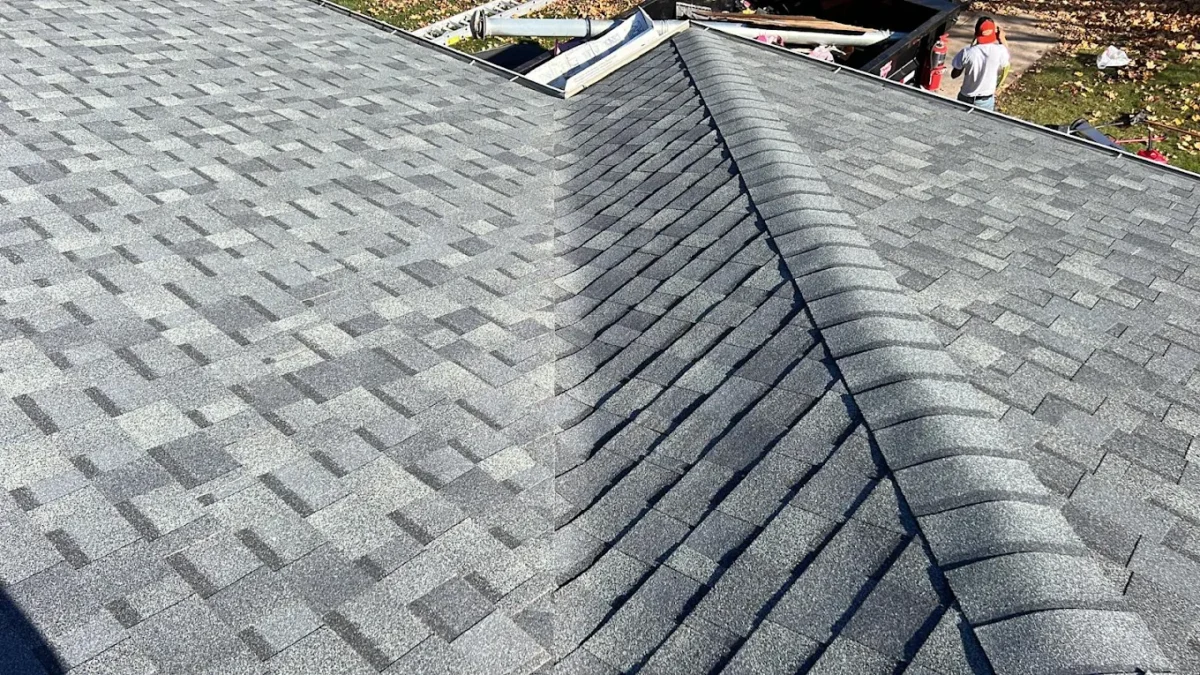
Asphalt shingles dominate the U.S. residential roofing market because they offer the best combination of affordability, durability, and aesthetic versatility. Modern architectural shingles provide 25 to 30 years of service life at a price point most homeowners can afford, with a wide selection of colors and textures that complement virtually any home style. According to Grand View Research, the asphalt shingles segment accounted for the largest revenue share of 55% of the U.S. roofing materials market in 2023, driven by lower cost and durability compared to other roofing materials.
- Cost range: $4.50 to $7.50 per square foot installed for architectural shingles in the Illinois market, with premium Class 4 options reaching $8 to $10 per square foot.
- Lifespan: 25 to 30 years for architectural shingles, with three-tab options lasting 15 to 20 years.
- Color and style variety: Available in over 20 colors per major manufacturer line, with multi-tonal patterns that mimic the look of slate or cedar shake.
- Wind and impact ratings: 130 mph wind warranty available on premium products, with Class 4 impact ratings on storm-rated lines.
2. Metal Roofing
Metal roofing has surged in popularity among homeowners who prioritize longevity and energy efficiency, with adoption rates growing 4% to 5% per year over the past decade. Standing seam metal roofs are the most common residential application, offering clean lines and 40 to 70 years of service life. The reflective properties of metal also reduce summer cooling costs, particularly in Woodridge and surrounding areas homes with extensive sun exposure.
- Cost range: $10 to $17 per square foot installed for standing seam metal, with exposed fastener panels at $7 to $12 per square foot.
- Lifespan: 40 to 70 years depending on the metal type and finish, with premium coatings extending performance further.
- Energy efficiency: Reflective finishes can lower cooling costs by 10% to 25% in summer months compared to dark asphalt shingles.
- Wind and fire resistance: Excellent wind resistance up to 140 mph and Class A fire rating on most products.

3. Slate Roofing
Slate represents the premium tier of residential roofing materials, with a service life that can exceed 100 years when properly installed and maintained. Authentic slate is a natural stone product that delivers unmatched durability, fire resistance, and architectural character. The high cost and structural requirements limit slate to higher-end homes, but its longevity makes it one of the most cost-effective options when measured over multiple generations.
- Cost range: $15 to $30 per square foot installed for authentic slate, with synthetic alternatives running $9 to $17 per square foot.
- Lifespan: 75 to 150 years for natural slate when properly installed and maintained.
- Weight considerations: Natural slate weighs 800 to 1,500 pounds per square, requiring engineered roof framing to support the load.
- Aesthetic appeal: Classic, sophisticated appearance ideal for historic homes, luxury properties, and traditional architectural styles.
4. Clay Tile Roofing
Clay tile roofing is most commonly associated with Mediterranean, Spanish, and Southwestern architectural styles, but it appears in select Woodridge and surrounding areas homes where homeowners want a distinctive appearance and exceptional longevity. Clay tiles resist fire, insects, and rot, and they can last 50 to 100 years with proper maintenance.
- Cost range: $10 to $18 per square foot installed depending on tile profile and quality.
- Lifespan: 50 to 100 years for quality clay tiles in moderate climates.
- Fire resistance: Class A fire rating, providing the highest level of fire protection available in roofing materials.
- Weight requirements: 600 to 1,200 pounds per square, requiring structural verification before installation.
5. Concrete Tile Roofing
Concrete tile offers many of the same aesthetic benefits as clay at a lower price point, making it a popular alternative for homeowners drawn to the tile look without the premium pricing. Modern concrete tiles are manufactured in profiles that mimic clay tile, slate, or wood shake, providing design flexibility along with durability.
- Cost range: $8 to $15 per square foot installed, typically 20% to 30% less than equivalent clay tile.
- Lifespan: 50 to 75 years with proper maintenance and periodic resealing.
- Profile options: Available in flat profiles, S-curves, and shake-style designs to complement different architectural styles.
- Color retention: Through-body coloring or factory-applied finishes provide better color retention than painted alternatives.
6. Wood Shake and Shingle Roofing
Wood shake and shingle roofing delivers a natural, rustic aesthetic that has been popular for centuries, particularly in homes designed around traditional craftsman, cabin, or shingle-style architecture. Cedar is the most common species used because of its natural resistance to rot and insects, though it requires more maintenance than synthetic alternatives.
- Cost range: $9 to $15 per square foot installed for quality cedar shake or shingle products.
- Lifespan: 25 to 40 years for cedar with proper maintenance, including periodic treatment.
- Aesthetic appeal: Distinctive natural appearance that ages beautifully into a silver-gray patina over time.
- Maintenance requirements: Requires periodic cleaning, treatment, and inspection to prevent moss, algae, and rot.
7. Synthetic Composite Roofing
Synthetic composite roofing has emerged as a popular alternative to natural slate, wood shake, and clay tile because it offers similar aesthetics at lower cost and with reduced weight requirements. Made from engineered polymers, rubber, or plastic blends, these materials are designed to mimic premium materials while delivering modern performance characteristics.
- Cost range: $9 to $16 per square foot installed, depending on the premium material being mimicked.
- Lifespan: 30 to 50 years for quality composite products from established manufacturers.
- Weight advantages: Significantly lighter than natural slate or tile, eliminating the need for structural reinforcement.
- Impact resistance: Most composite products carry Class 4 impact ratings, providing strong hail protection valuable in the Chicago metro market.
Cost vs. Lifespan Comparison Graph
Roofing materials — cost vs. lifespan
Cost — $ per sq ft, left axis Lifespan — years, right axis
Each bar spans low to high
How much do roofing materials cost per square foot, and how long do they last?
Installed roofing in Northeast Illinois runs from $4.50 per square foot for architectural asphalt shingles to $30 for natural slate. Lifespans span 25 years at the low end for asphalt shingles and cedar shake to 150 years for slate. Asphalt is the cheapest material to install and holds the largest share of the U.S. residential market; metal roofing, at $10 to $17 per square foot with a 40 to 70 year service life, is the most common step up for Illinois homeowners who plan to stay put.
How to Choose the Right Roofing Material for Your Home
Selecting the right material requires balancing several competing priorities, and there is no single material that is objectively best for every home. The right choice depends on a thoughtful evaluation of how each material aligns with your specific situation.
What Should You Consider Before Making a Decision?
Before signing a contract for any roofing material, homeowners should evaluate how the choice fits with both immediate practical needs and long-term ownership plans. A material that looks great on paper may not be the right fit when all factors are considered.
- Length of ownership: Homeowners planning to stay 20-plus years benefit from premium materials, while those planning to sell in 5 to 10 years may prefer mid-tier asphalt shingles.
- Home style and value: The roof should complement the architectural style of the home, with premium materials enhancing the resale value of higher-end properties.
- Neighborhood character: Some Woodridge and surrounding areas neighborhoods have homeowners association requirements that limit material choices.
- Structural capacity: Heavy materials like slate, clay, or concrete tile require structural verification before installation.
- Energy efficiency goals: Cool roof or reflective materials reduce summer cooling costs significantly in homes with extensive south-facing roof exposure.
Frequently Asked Questions About Roofing Materials

What Is the Most Durable Roofing Material?
Slate is the most durable common roofing material, with natural slate lasting 75 to 150 years when properly installed. Metal roofing is a close second at 40 to 70 years, followed by clay tile at 50 to 100 years. For most Woodridge and surrounding areas homeowners, however, the practical durability of quality architectural asphalt shingles at 25 to 30 years offers the best balance of cost and performance.
Which Roofing Material Is Most Energy Efficient?
Metal roofing with reflective finishes provides the best energy efficiency, reducing cooling costs by 10% to 25% in summer months. Cool roof asphalt shingles and concrete tile with reflective coatings also offer meaningful efficiency improvements over traditional dark-colored roofs.
What Roofing Material Adds the Most Home Value?
Slate and high-end architectural shingles tend to add the most resale value when matched appropriately to the home’s style and price point. Metal roofing also adds value in markets where buyers appreciate longevity and energy efficiency, while wood shake adds character to traditional homes.
Are Asphalt Shingles Really the Best Choice for Illinois Homes?
For most Illinois homeowners, quality architectural asphalt shingles deliver the best combination of cost, performance, and aesthetic options. The freeze-thaw flexibility of asphalt shingles, paired with Class 4 impact-rated options for hail protection, makes them well-suited to the Chicago metro climate.
How Long Does Each Material Typically Last in Illinois?
Asphalt shingles last 25 to 30 years, metal roofing 40 to 70 years, slate 75 to 150 years, clay tile 50 to 100 years, concrete tile 50 to 75 years, wood shake 25 to 40 years, and synthetic composite 30 to 50 years. Actual lifespan depends on installation quality, ventilation, and ongoing maintenance.
Which Roofing Material Has the Highest Fire Rating?
Slate, clay tile, concrete tile, and metal roofing all carry Class A fire ratings, which is the highest available. Asphalt shingles with fiberglass mats also carry Class A ratings, while wood shake typically carries Class B or C ratings unless specifically treated.
Why Vanguard Roofing & Siding Is Your Trusted Roofing Materials Expert
When you are evaluating roofing materials for your Woodridge and surrounding areas home, you need a licensed Illinois contractor who can honestly explain the trade-offs of each option rather than pushing the highest-margin material. At Vanguard Roofing & Siding, our slogan says it best: “You Deserve The Best.” As a member of the NRCIA and a licensed Illinois roofing contractor, we walk every customer through the full range of material options and help them choose the right fit for their home, climate, and budget.
We offer free inspections and consultations so you can compare materials with expert guidance before any work begins, and our 20-year workmanship warranty stands behind every installation regardless of the material you choose. Financing is available for qualified homeowners, so premium options like metal or impact-rated shingles remain accessible even when budgets are tight.
Ready to find the perfect material for your next roof? Contact Vanguard Roofing & Siding today to get expert guidance on the roofing materials that fit your home, your climate, and your long-term goals.
Recent Articles