A routine siding inspection is one of the easiest ways homeowners can catch exterior problems early and avoid costly repairs. Illinois’s changing seasons expose siding to wind, moisture, temperature swings, and impact damage that can slowly weaken your home’s exterior. Knowing what to look for helps you protect curb appeal, energy efficiency, and the structure beneath the siding.
Here’s what you’ll learn in this guide:
- Common siding damage types: The most frequent issues found on Illinois homes.
- Warning signs to watch for: How to recognize damage before it spreads.
- When to call a professional: Knowing when repairs or replacement are needed.
Why Regular Siding Inspections Matter
Your siding does much more than improve your home’s appearance. It serves as a protective barrier against moisture, pests, and extreme temperatures while helping regulate indoor comfort. When siding damage goes unnoticed, water can reach the wall sheathing and insulation, leading to mold, rot, and higher energy bills.
Homeowners in Wausau and surrounding areas benefit from regular inspections because Illinois’s freeze-thaw cycles, heavy rain, hail, and strong winds can all accelerate siding wear. Catching damage early allows for simpler repairs and extends the overall lifespan of your siding system.

When Should You Inspect Your Siding?
Siding inspections should be part of your regular home maintenance routine. Certain times of year and events make inspections especially important.
After major storms, high winds, or hail events, siding should be checked for cracks, loosened panels, and impact marks. Seasonal inspections in spring and fall also help identify issues caused by winter ice buildup or summer heat before they worsen.
5 Types of Damage to Look For
This checklist outlines the most common siding problems homeowners should watch for during a visual inspection. Addressing these issues early helps prevent moisture intrusion and costly structural damage.
1. Cracks and Holes
- Impact damage: Hail, falling branches, or debris can crack vinyl, fiber cement, or engineered wood siding.
- Expansion stress: Repeated temperature changes can cause small fractures that grow over time.
- Water entry risk: Even minor cracks allow moisture to reach the wall system behind the siding.
2. Warping or Buckling Panels
- Heat exposure: Improperly installed siding may warp when exposed to prolonged sunlight.
- Moisture problems: Trapped moisture behind siding can cause panels to swell or buckle.
- Installation concerns: Overdriven fasteners or lack of expansion space often lead to visible distortion.
3. Loose or Missing Siding Sections
- Wind damage: Strong gusts can pull panels loose, especially after aging fasteners weaken.
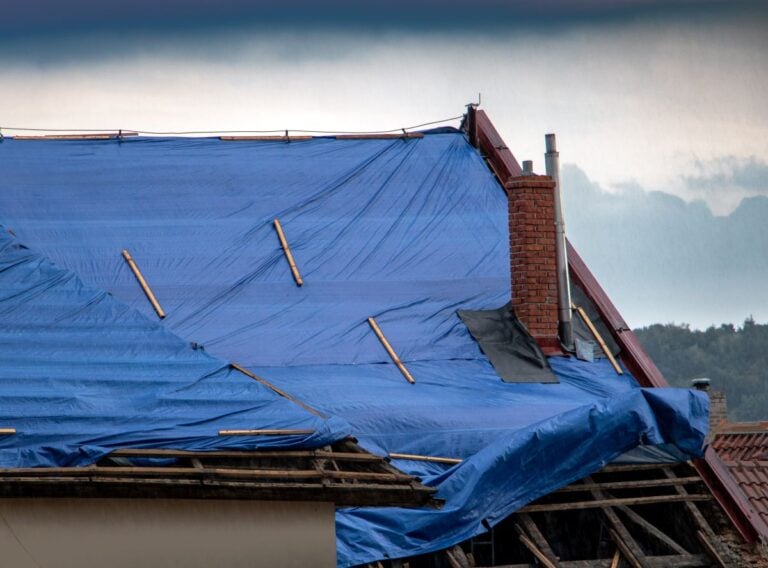
- Storm-related loss: Severe weather may tear off entire sections, exposing your home to rain and pests.
- Structural exposure: Missing siding leaves insulation and sheathing vulnerable to moisture damage.
4. Mold, Mildew, or Algae Growth
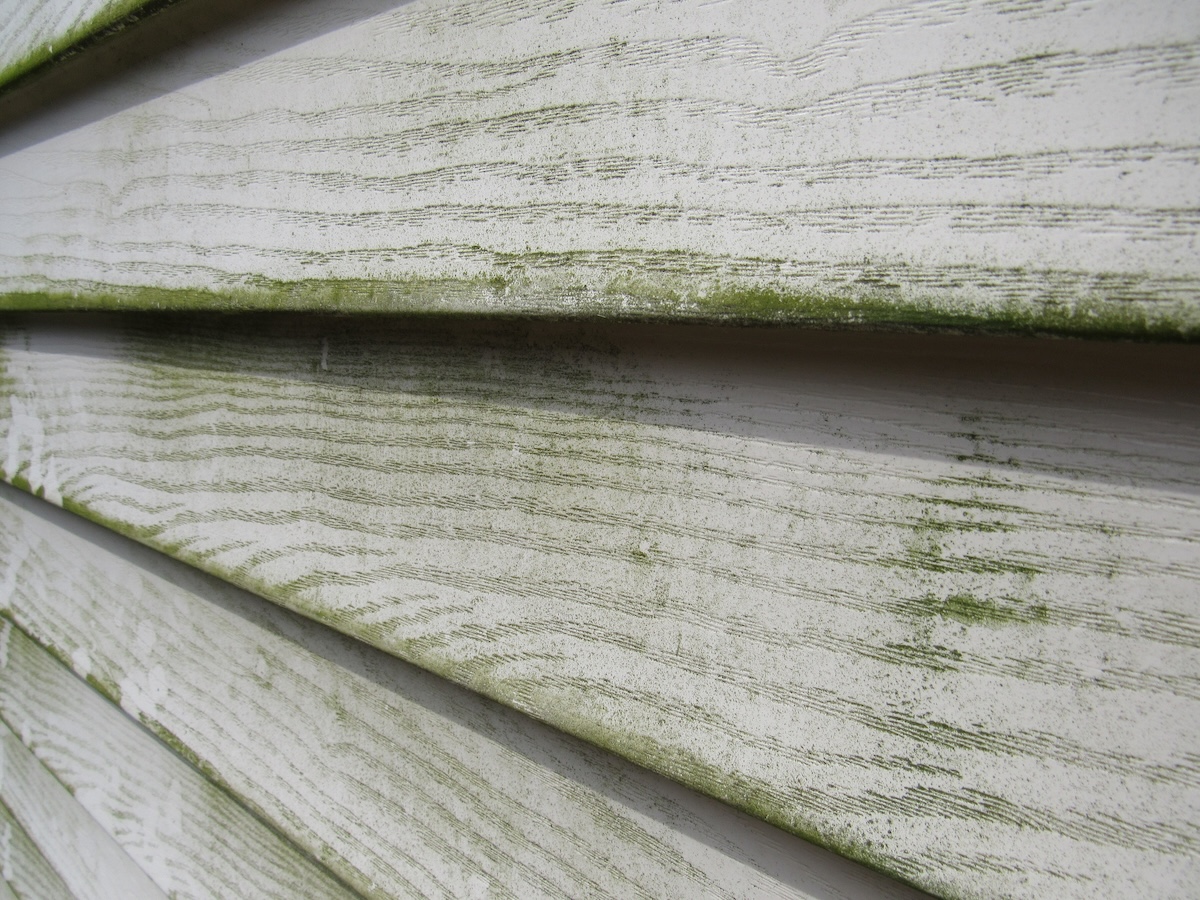
- Moisture retention: Organic growth thrives where water becomes trapped behind siding.
- Discoloration: Dark streaks or green patches often signal ongoing moisture problems.
- Underlying issues: Persistent growth may point to poor ventilation, flashing issues, or hidden leaks.
5. Fading, Peeling, or Surface Deterioration
- UV exposure: Sunlight gradually breaks down siding finishes and protective coatings.
- Aging materials: Older siding may lose color and surface integrity over time.
- Reduced protection: Worn surfaces are more likely to crack, absorb moisture, or fail prematurely.
Homeowner checklist
Siding Inspection Checklist
Walk the full perimeter of your house from the ground and work through these six checks. Takes about 20 minutes. Tap any step to see exactly what to look for.
-
- Hairline splits at nail heads and panel seams, from repeated expansion and contraction.
- Dents and chips from hail or debris. Check storm-facing walls first.
- Punctures you can see the wall behind through.
Call a pro if: you can see housewrap or sheathing through any opening.
-
- Sight down each wall at a low angle. A straight run should not ripple or bow.
- Melted or glossy patches near grills, fire pits, or windows reflecting onto the wall.
- Panels pinned tight at the seams. Siding needs room to expand or it distorts.
Call a pro if: whole runs are waving — that usually points to a fastening problem, not one bad panel.
-
- Press lightly at chest height. Rattling or shifting means fasteners have let go.
- Gaps at corners and trim where panels have pulled out of their channel.
- Missing panels leaving the wall bare. Common after high wind.
Call a pro if: any panel is missing. Bare sheathing needs covering within the week.
-
- Green or black patches on shaded and north-facing walls. Often surface-only.
- Dark streaks running down from seams, windows, or gutter joints.
- Growth that comes back within weeks of cleaning.
Call a pro if: growth returns after cleaning. That means trapped moisture or a hidden leak behind the siding.
-
- Compare a south wall to a north wall. Heavy contrast means UV has worked on the finish.
- Wipe a sunny panel. Chalky powder on your hand means the surface is breaking down.
- Peeling or flaking down to bare material.
Call a pro if: the surface is gone in patches. Worn siding absorbs water instead of shedding it.
-
- Soft or spongy panels under light hand pressure.
- Inside the house: water stains, peeling paint, or a draft on an exterior wall.
- The same spot repaired twice or more.
Call a pro if: you find any of these. The siding is no longer the problem — it is the symptom.
Or call 630.389.7663
Use binoculars for upper stories instead of a ladder. Never inspect siding from a roof or unsecured ladder.
How Illinois Weather Contributes to Siding Damage
Illinois’s climate plays a major role in how quickly siding wears down. Understanding these environmental factors helps homeowners stay proactive.
Winter snow and ice can force moisture behind siding panels during thaw cycles, while spring rain increases water exposure along seams and trim. Summer heat causes siding to expand, and fall debris can trap moisture against the home’s exterior. Over time, these conditions accelerate damage if inspections and maintenance are neglected.

DIY Inspection Tips for Homeowners
A basic siding inspection can be done safely from the ground. Homeowners should walk around the entire home and look closely at siding panels, trim, and seams.
Binoculars help spot cracks or loose panels on upper levels without climbing ladders. Checking areas near windows, doors, and rooflines is especially important, since these spots are more prone to leaks. Any signs of soft siding, visible gaps, or water stains should be noted for professional evaluation.
When Siding Damage Requires Professional Attention
Some siding issues go beyond simple cleaning or minor adjustments. Knowing when to call a professional prevents small problems from turning into major repairs.
Structural Concerns
- Soft or spongy siding: Indicates moisture damage beneath the surface.
- Repeated repairs: Frequent fixes often signal widespread deterioration.
- Interior symptoms: Water stains, peeling paint, or drafts inside the home point to exterior failure.
Widespread Damage
- Multiple affected areas: Damage across several walls may require partial or full replacement.
- Storm aftermath: Hail or wind damage affecting large sections needs professional assessment.
- Aging siding systems: Older materials may no longer provide adequate protection.
Benefits of Professional Siding Inspections
Professional inspections provide a deeper evaluation than a quick visual check. Trained contractors know where hidden damage is most likely to occur and how to identify early warning signs.
Professionals assess flashing, moisture barriers, and underlying structures while recommending appropriate repairs or replacement options. Regular inspections help homeowners in Woodridge and surrounding areas extend siding lifespan and avoid unexpected repair costs.
How Siding Inspections Protect Home Value
Well-maintained siding improves curb appeal and reassures buyers that a home has been properly cared for. Damaged or aging siding can lower resale value and raise concerns during home inspections.
Routine inspections and timely repairs preserve your home’s appearance, reduce long-term maintenance costs, and improve overall energy efficiency. Siding that performs well also helps regulate indoor temperatures and reduce heating and cooling expenses.

Why Homeowners in Woodridge Choose Vanguard
Vanguard Roofing & Siding provides thorough siding inspections and expert repair services for homeowners throughout Woodridge and surrounding areas. Our team understands how Illinois’s weather affects exterior materials and delivers practical solutions tailored to each home.
- Experienced professionals: Skilled at identifying both visible and hidden siding damage.
- Quality materials: Repairs and replacements designed for long-term durability.
- Customer-focused service: Clear communication and honest recommendations every step of the way.
Stay Ahead of Siding Damage With Regular Inspections
A consistent siding inspection routine helps homeowners catch problems early and protect their investment. From cracks and warping to moisture-related growth, knowing what to look for makes a major difference in preventing costly repairs.
Vanguard Roofing & Siding proudly serves Woodridge, IL and surrounding areas with expert inspections, reliable repairs, and high-quality siding solutions. Contact our team today to schedule your free inspection and keep your home’s exterior strong, efficient, and looking its best.
Recent Articles