If you have noticed rising utility bills, cold drafts near your windows, or rooms that never feel quite right temperature-wise, upgrading to insulated windows is one of the most impactful home improvements you can make in 2026. With energy costs climbing and federal tax credits still available for qualifying installations, this is the right moment for homeowners in Downers Grove and surrounding areas to take a serious look at modern window technology. This guide walks through the seven biggest reasons replacement windows pay for themselves over time.
Here is what you will learn in this guide:
- What insulated windows actually do: A clear explanation of how multi-pane construction, gas fills, and Low-E coatings reduce heat transfer.
- The seven biggest benefits: From energy savings to UV protection, noise reduction, and tax incentives that lower your upfront cost.
- How to choose the right windows: Factors to weigh before signing a contract and why installation quality matters as much as the window itself.
What Are Insulated Windows and How Do They Work?

Insulated windows are engineered units that use multiple panes of glass, inert gas fills, and specialized coatings to dramatically reduce the amount of heat that passes through the window. Understanding the basics helps homeowners cut through marketing claims and make informed comparisons between products.
How Are Insulated Windows Constructed?
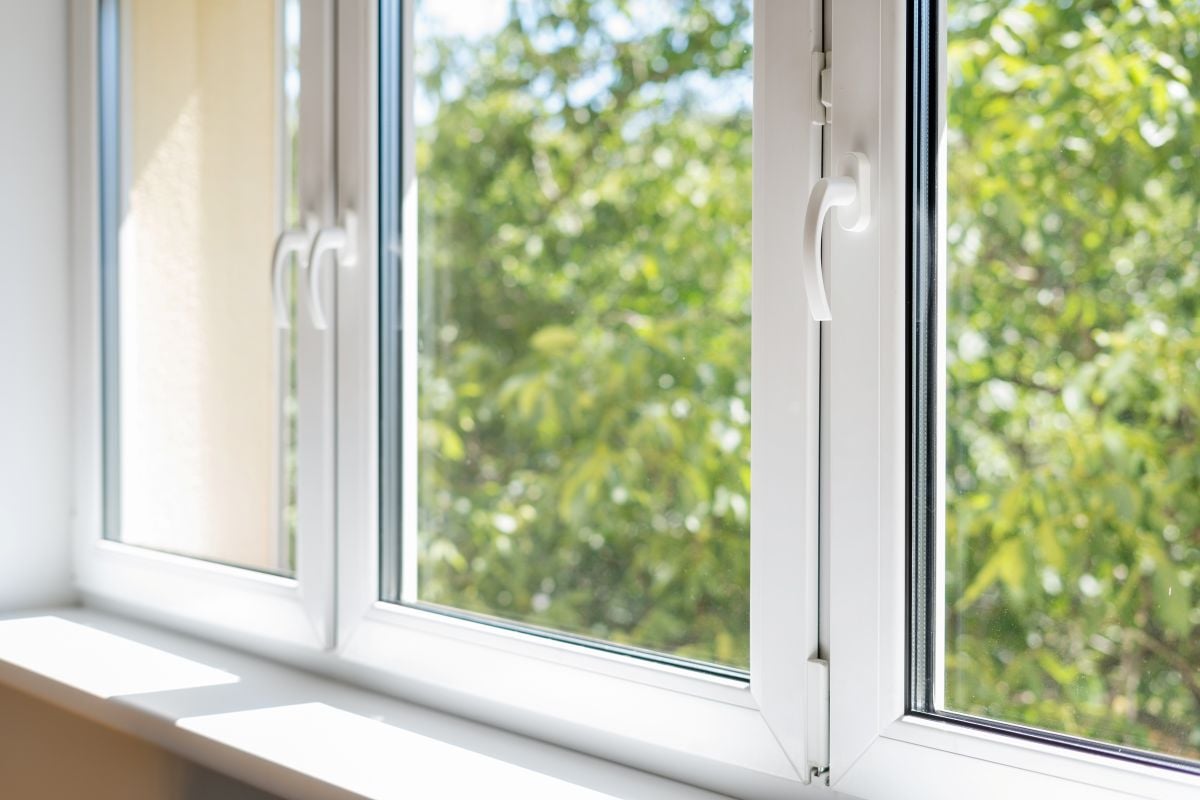
Modern insulated windows use a sealed assembly of two or three panes of glass separated by a spacer that holds a layer of inert gas in place. This construction creates a thermal barrier that single-pane windows simply cannot match, and it is the foundation of every energy-efficient window on the market today. The performance you get depends on the quality of the glass, the spacer material, and the frame surrounding the unit.
- Double or triple-pane glass: Two or three layers of glass create insulating air pockets that slow heat transfer between the interior and exterior of your home.
- Argon or krypton gas fills: Inert gases between panes are denser than regular air and significantly reduce thermal conductivity, with krypton offering even better performance than argon.
- Low-E coatings: Microscopically thin metallic layers on the glass reflect heat back to its source, keeping warmth inside during winter and outside during summer.
- Thermally broken frames: High-performance frames use insulating materials or thermal breaks to prevent the frame itself from becoming a weak point in the window’s overall efficiency.
What Makes Them More Efficient Than Single-Pane Windows?
Single-pane windows offer essentially no insulation value, allowing heated or cooled air to pass through the glass with minimal resistance. Insulated windows, by contrast, drop the U-factor significantly, which is the standard measurement of how easily heat moves through a window. Lower U-factors mean better insulation, and modern ENERGY STAR Most Efficient windows can achieve U-factors as low as 0.20 or below.
- U-factor improvements: Single-pane glass typically has a U-factor near 1.0, while quality insulated windows can reach 0.20 or lower, representing a 5x improvement in insulation.
- SHGC control: The Solar Heat Gain Coefficient measures how much solar heat enters through the window, and modern coatings allow homeowners to fine-tune this value for their climate.
- Reduced air leakage: Properly sealed insulated window units eliminate the drafts that older single-pane assemblies allow through gaps and degraded weatherstripping.
- Condensation reduction: The warmer interior glass surface of insulated windows reduces the dew point conditions that cause condensation, mold, and water damage.
7 Benefits of Insulated Windows for Downers Grove Homeowners
The benefits of insulated windows extend far beyond the obvious energy savings, and homeowners in Downers Grove and surrounding areas often find that the secondary advantages are just as compelling as the lower utility bills. Each of these seven benefits builds on the others to create a more comfortable, valuable, and protected home.
The most measurable benefits show up in your monthly utility bills, but the comfort and quality-of-life improvements are what homeowners notice first after installation.
1. Lower Heating and Cooling Bills
ENERGY STAR certified insulated windows shrink energy bills by an average of up to 13% on heating and cooling costs compared to non-certified products, and replacing single-pane windows with ENERGY STAR Most Efficient models can save homeowners up to $366 per year. For Downers Grove and surrounding areas homeowners dealing with both bitter Illinois winters and humid summers, those savings stack up over decades of ownership.
- Annual savings range: ENERGY STAR estimates 6% to 13% savings on annual energy bills, with higher savings in extreme climates like the Chicago metro area.
- Reduced HVAC strain: Less heat loss in winter and less heat gain in summer means your furnace and air conditioner run less, extending their service life.
- Long-term return: Over the 20 to 30-year lifespan of quality insulated windows, accumulated energy savings can total thousands of dollars per household.
- Lower carbon footprint: Reduced energy consumption translates directly to lower emissions, which matters for environmentally conscious homeowners.
2. Greater Indoor Comfort and Fewer Drafts
The comfort improvement from insulated windows is often the first thing homeowners notice after installation, even before they see the savings on their utility bills. Drafty windows create cold spots, uneven room temperatures, and that uncomfortable chill you feel sitting near a window in winter. Insulated windows eliminate these issues by maintaining a consistent indoor temperature across every room in the home.
- Elimination of cold drafts: Properly sealed insulated windows stop the air infiltration that creates uncomfortable cold zones near older windows.
- Consistent room temperatures: Better insulation means your HVAC system can maintain a stable temperature throughout the house instead of fighting heat loss at every window.
- Warmer interior glass surfaces: The inner pane of insulated glass stays closer to room temperature, eliminating the radiant chill from sitting near a window in winter.
- Reduced summer heat gain: Low-E coatings block solar radiation, keeping rooms cooler in the summer even on the sunniest afternoons.
3. Protection From UV Damage and Interior Fading
UV rays from sunlight cause hardwood floors, carpets, furniture, artwork, and window treatments to fade over time, and standard single-pane glass does almost nothing to block them. Modern insulated windows with Low-E coatings act as a sunscreen for your home’s interior, filtering out the majority of damaging UV radiation while still allowing visible light through.
- Up to 95% UV blockage: Quality Low-E coatings can block the majority of harmful ultraviolet radiation that causes interior fading.
- Furniture and floor protection: Hardwood floors, area rugs, and upholstered furniture retain their color significantly longer behind UV-blocking glass.
- Artwork preservation: Valuable artwork, photographs, and decorative pieces are protected from the cumulative damage of long-term UV exposure.
- Maintained visible light: Modern Low-E coatings filter UV without significantly reducing the natural light that comes through the window.
4. Reduced Outside Noise
The same multi-pane construction and gas fills that make insulated windows energy efficient also create an effective sound barrier. Homeowners on busy streets, near schools, or in neighborhoods with active outdoor activity often report a noticeable reduction in noise after upgrading to insulated windows.
- Multi-pane sound dampening: Two or three layers of glass disrupt sound waves more effectively than a single pane.
- Gas fill absorption: The argon or krypton gas between panes absorbs sound vibrations, further reducing noise transmission.
- Tight seals matter: Properly installed insulated windows eliminate the gaps that allow outside noise to leak around the frame.
- Laminated glass options: For homeowners who want maximum noise reduction, laminated glass options provide additional sound dampening beyond standard insulated units.
5. Increased Home Resale Value

Energy-efficient features rank high on the priority list for today’s homebuyers, and visible upgrades like new insulated windows make an immediate impression during showings. Real estate professionals consistently cite modern windows as one of the home improvements that returns the most value at resale.
- Move-in ready appeal: Buyers see new windows as one less expense they will need to take on after purchase, increasing the home’s overall attractiveness.
- Energy efficiency selling point: Lower utility bills become a documentable advantage you can highlight in your listing materials.
- Curb appeal upgrade: New windows visibly improve the exterior of the home, contributing to the first impression buyers form.
- Documentation value: Saved ENERGY STAR and NFRC labels provide proof of performance that supports your asking price.
6. Reduced Condensation and Moisture Damage
Single-pane windows are notorious for developing condensation in cold weather, which leads to water pooling on sills, peeling paint, rotted wood, and even mold growth. Insulated windows keep the interior glass surface warmer, which prevents the conditions that cause condensation to form in the first place.
- Warmer interior glass: The insulating gas layer keeps the interior pane closer to room temperature, raising the surface above the dew point.
- Reduced mold risk: Less condensation means less moisture available to support mold and mildew growth around windows.
- Wood frame protection: Surrounding window trim, sills, and drywall stay drier, preventing the rot and damage that costs homeowners thousands in repairs.
- Improved indoor air quality: Less mold and mildew translates to better air quality for everyone in the household, especially those with allergies or respiratory sensitivities.
7. Federal Tax Credits and Rebates in 2026
The federal Energy Efficient Home Improvement Credit offers homeowners 30% of the cost of qualifying ENERGY STAR Most Efficient windows, up to $600 annually. Many local utility companies also offer additional rebates for energy-efficient window upgrades, making the upfront investment significantly more affordable.
- 30% federal tax credit: Available for ENERGY STAR Most Efficient certified windows, capped at $600 per year through current program guidelines.
- PIN requirement: Beginning in 2025, qualifying windows must be produced by a qualified manufacturer and the Product Identification Number must be reported on your tax return.
- Utility rebates: Many Illinois utility providers offer additional rebates for energy-efficient home upgrades, which can be stacked with federal credits.
- Financing availability: Many contractors, including Vanguard Roofing & Siding, offer financing options that allow homeowners to spread costs while still capturing the tax credit benefit.
How to Choose the Right Insulated Windows for Your Home
Selecting the right insulated windows for your home involves balancing performance, aesthetics, and budget against the realities of your specific climate. Downers Grove and surrounding areas homeowners need windows rated for the Northern Climate Zone, which prioritizes low U-factors for cold-weather insulation.
What Factors Should You Consider Before Buying?
The right insulated windows depend on your home’s architecture, your climate, your budget, and your performance priorities. Homeowners who do their homework before requesting estimates end up with windows that genuinely match their needs rather than whatever the salesperson is pushing that month.
- U-factor for your climate: Look for ENERGY STAR certified windows rated for the Northern Climate Zone with U-factors of 0.22 or lower for Illinois homes.
- Frame material: Fiberglass frames offer the best thermal performance, while quality vinyl provides excellent value, and wood-clad options balance aesthetics with efficiency.
- Glass package: Triple-pane windows offer 20-30% better thermal performance than double-pane units, which is particularly valuable in cold climates like Chicago’s western suburbs.
- Warranty terms: Compare both manufacturer warranties on the windows themselves and workmanship warranties on the installation.
Why Is Professional Installation So Important?
Even the highest-performing window will underperform if it is poorly installed, and incorrect installation is one of the most common reasons homeowners fail to see the energy savings they expected. Proper installation requires precise measurement, careful sealing around the rough opening, and proper insulation of the gap between the window frame and the wall structure.
- Air sealing precision: Gaps around the window frame must be properly insulated to eliminate the drafts that defeat the purpose of an efficient window.
- Plumb and square placement: Windows that are not perfectly aligned will not seal correctly and may not operate smoothly over the long term.
- Flashing and water management: Proper flashing protects the wall structure from water infiltration that can cause rot and mold damage years down the road.
- Warranty preservation: Most manufacturer warranties require professional installation by a qualified contractor to remain valid.
Frequently Asked Questions About Insulated Windows
How Much Do Insulated Windows Cost in 2026?
Insulated window costs vary widely based on size, frame material, and glass package. Standard double-pane vinyl windows typically run $400 to $800 per window installed, while premium fiberglass triple-pane units can range from $1,000 to $1,500 or more. A full-home window replacement typically lands between $8,000 and $20,000 depending on the size of the home and product selection.
How Long Do Insulated Windows Last?
Quality insulated windows are designed to last 20 to 30 years or more with proper care. Vinyl windows typically perform well for 20 to 25 years, while fiberglass frames can last 30 to 40 years. The seal between the panes of an insulated glass unit can fail over time, which is one reason warranties on the glass seal are worth comparing carefully.
Are Triple-Pane Windows Worth the Extra Cost?
For homeowners in cold climates like Downers Grove and surrounding areas, triple-pane windows can be worth the 15-25% premium they typically command. They offer 20-30% better thermal performance and superior sound insulation. The payback period in northern climates is generally 8 to 12 years through energy savings alone.
Can I Install Insulated Windows Myself?
DIY window installation is not recommended for most homeowners. Improper installation will void manufacturer warranties, create air and water infiltration issues, and may not pass local building inspections. Professional installation ensures proper sealing, alignment, and code compliance.
What Is the Difference Between U-Factor and SHGC?
U-factor measures how well a window insulates against heat transfer, with lower numbers indicating better insulation. SHGC measures how much solar heat passes through the window, with lower numbers indicating better solar heat blocking. Northern climates like Illinois benefit from low U-factors, while southern climates prioritize low SHGC values.
Do New Windows Qualify for Insurance Discounts?
Some insurance carriers offer modest discounts for impact-rated or hurricane-rated windows, but standard insulated windows do not typically reduce homeowners insurance premiums. However, the reduced risk of water damage from condensation issues can prevent claims that would otherwise affect your policy.
Why Vanguard Roofing & Siding Is Your Trusted Window Installation Partner
When you invest in insulated windows for your Downers Grove and surrounding areas home, you want a licensed contractor who treats your home like their own. At Vanguard Roofing & Siding, our slogan says it best: “You Deserve The Best.” As a member of the NRCIA, we bring verified expertise to every window installation, and our team understands the specific demands of the Illinois climate, selecting windows engineered to perform through Chicago metro winters and summers alike.
We offer free inspections so you know exactly what your home needs before any work begins, and our 20-year workmanship warranty stands behind every installation. Financing is available for qualified homeowners, so whether you are replacing a single problem window or planning a whole-home upgrade, our team will walk you through the right product line, glass package, and frame material for your home and budget.
Ready to start saving on energy costs and improving your home’s comfort? Contact Vanguard Roofing & Siding today to schedule your free inspection and learn how insulated windows can pay for themselves while making your home a more comfortable place to live.
Recent Articles