A roof valley leak is one of the most common and most overlooked sources of water damage in residential roofing, and catching it early can save Westmont and surrounding areas homeowners thousands of dollars in interior repairs. The valley is where two roof slopes meet, and it carries an enormous volume of water during heavy rain or melting snow. When something goes wrong in that channel, water finds the path of least resistance straight into your home.
Here is what you will learn in this guide:
- What a roof valley is and why it leaks: A breakdown of how this critical roof component works and the most common reasons it fails.
- 4 quick and lasting repair solutions: Practical fixes ranked from temporary to permanent, with realistic cost expectations.
- Warning signs and prevention tips: How to spot a developing leak before it becomes a major water damage event.
What Is a Roof Valley and Why Do They Leak?

A roof valley is the V-shaped intersection where two sloping roof planes come together, and it functions as a primary drainage channel for the entire roof. Understanding how valleys work and why they fail is the first step toward making a smart repair decision.
How Does a Roof Valley Work?
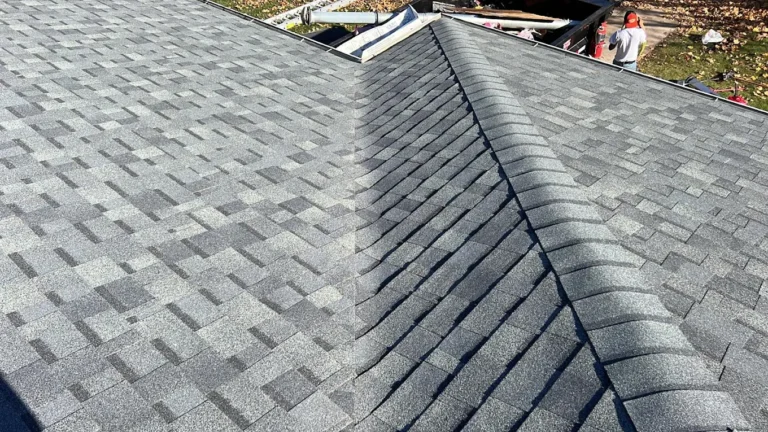
The roof valley is essentially a built-in gutter on your roof. Water from both adjacent slopes funnels into the valley and flows downhill toward the eaves and gutters below. Because so much water passes through this small area, the valley sees more wear and tear than almost any other section of the roof, which is why proper installation and maintenance matter so much.
- Water concentration point: Rainwater and snowmelt from two slopes converge in the valley, creating a high-volume drainage path that can move thousands of gallons during a single storm.
- Three main types: Closed-cut valleys layer shingles over the valley center, open valleys expose a metal channel down the middle, and woven valleys interlace shingles from both slopes.
- Underlayment is critical: Beneath the visible surface, the valley relies on an ice and water shield membrane or metal flashing to keep water from reaching the deck.
- Slope and pitch matter: Steeper valleys shed water faster, while low-slope valleys are more prone to ponding and ice damming during Illinois winters.
What Causes Roof Valley Leaks?
Most roof valley leaks trace back to one of a handful of root causes, and identifying which one applies to your home is essential to choosing the right repair. A leak that started after a hailstorm calls for a different fix than one that developed slowly over a decade of freeze-thaw cycles in Westmont and surrounding areas.
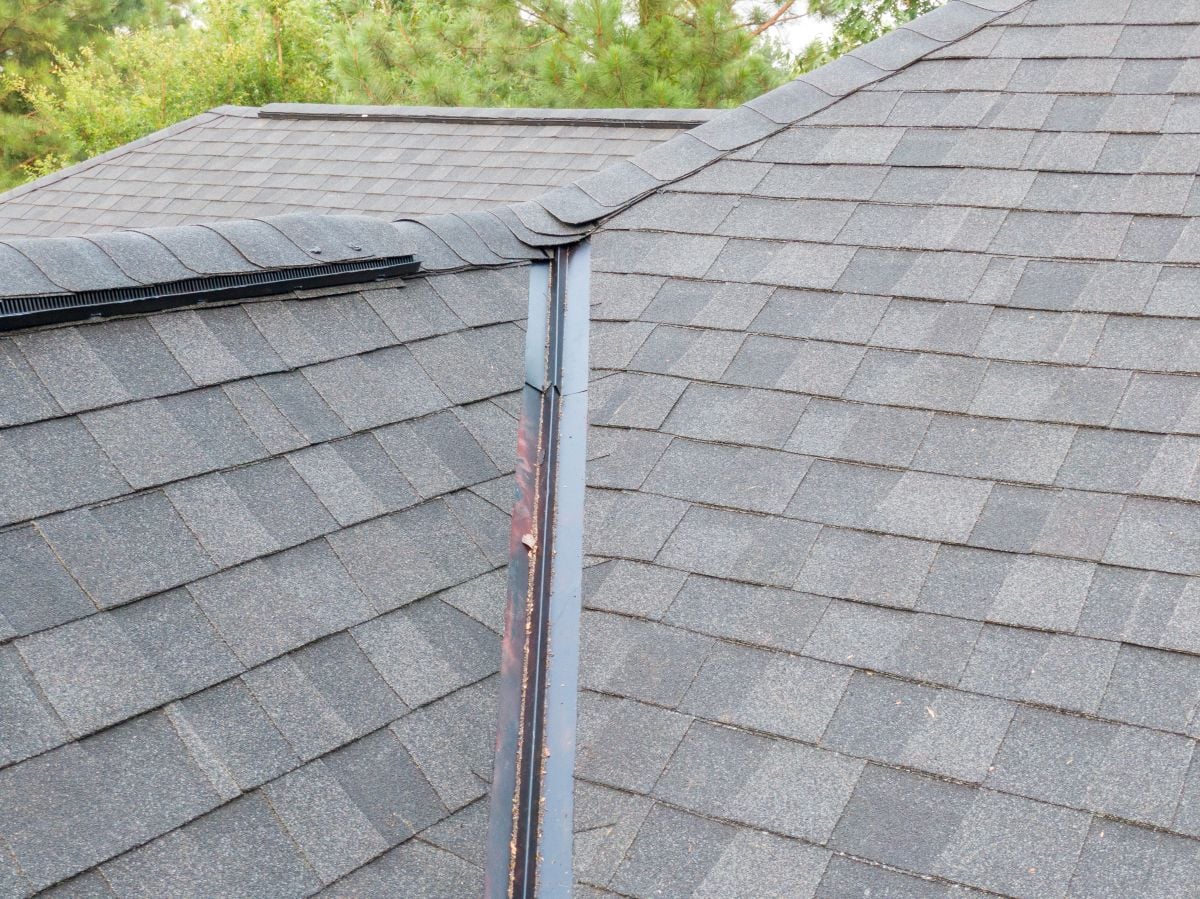
- Failed flashing: Metal flashing in the valley can rust, corrode, lift away from the deck, or develop small holes that allow water through.
- Cracked or missing shingles: Shingles immediately adjacent to the valley take a beating from concentrated water flow and ice movement and can crack, curl, or blow away.
- Sealant failure: The mastic and roofing cement used to seal the edges of valley shingles dries out, cracks, and loses its waterproofing ability over time.
- Ice dams: When snow melts and refreezes in a valley, the resulting ice dam can lift shingles and force water under the roofing materials.
- Improper installation: A valley that was never installed correctly to begin with will fail no matter how many times you patch the symptoms.
- Debris accumulation: Leaves, branches, and pine needles that collect in a valley trap moisture and prevent proper drainage.
4 Quick and Lasting Solutions for Roof Valley Leak Repair
When you discover a roof valley leak, the right repair approach depends on how severe the damage is, how old the roof is, and whether the leak is isolated or part of a broader system failure. The four solutions below are ordered from quickest to most comprehensive, and each one has a place in the toolkit of an experienced roofer.
The best long-term outcome usually comes from matching the repair scope to the underlying cause rather than just treating the visible symptom. A licensed contractor in Westmont and surrounding areas can help you evaluate which solution makes sense for your home.
1. Replace Damaged Valley Flashing
Replacing damaged flashing is often the most effective repair when the underlying valley structure is still sound. Flashing typically lasts 20 to 30 years, but rust, physical damage from fallen branches, or installation defects can shorten that lifespan dramatically. Removing the affected section and installing new metal flashing restores the waterproof barrier that protects the roof deck below.
- Material options: Aluminum, galvanized steel, copper, and zinc are all common valley flashing materials, with copper offering the longest service life at the highest price point.
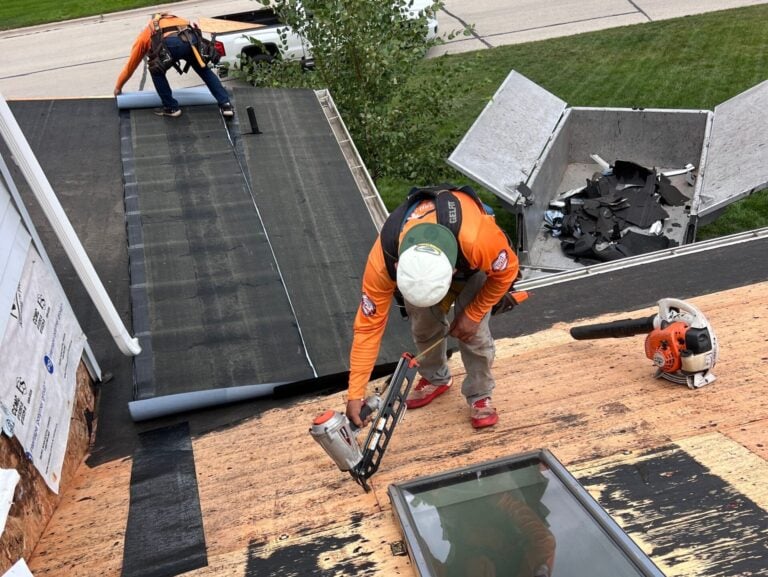
- Shingle removal required: Replacing valley flashing requires carefully lifting the surrounding shingles, replacing the flashing, and reinstalling or replacing the shingles around it.
- Cost range: Flashing replacement typically runs $500 to $1,500 for a single valley, depending on length, material choice, and complexity.
- Service life: A properly installed metal flashing repair can last 20 years or more, often outliving the surrounding shingles.
2. Install Ice and Water Shield Membrane
Installing a self-adhering ice and water shield membrane beneath the valley is one of the most effective long-term solutions for chronic leaks. This rubberized asphalt membrane creates a continuous waterproof barrier that seals around nail penetrations and remains effective even when shingles above it fail. For Westmont and surrounding areas homeowners dealing with recurring winter leaks from ice dams, this upgrade is particularly valuable.
According to the Insurance Information Institute, about 1 in 67 insured homes files a property damage claim caused by water damage or freezing each year, making it one of the most common and costly issues facing homeowners.
- Self-sealing protection: The rubberized membrane seals tightly around nail penetrations, preventing water from finding its way through even when shingles are damaged.
- Code requirements: Many jurisdictions require ice and water shield in roof valleys and along the eaves as part of new construction or full reroof installations.
- Installation depth: Ice and water shield should extend at least 36 inches on each side of the valley centerline for maximum protection.
- Pairs well with replacement: This solution is most effective when combined with a full valley reshingling rather than installed under a patch repair.
3. Reseal Worn Shingles and Sealant
For valleys where the flashing is intact but the surrounding shingles or sealant have started to fail, a targeted reseal and shingle replacement can extend the life of the valley by several years. This is a more conservative repair appropriate for roofs that are still in their middle service life and where the leak is caught early before water has damaged the deck below.
- Roof cement application: Fresh roofing cement under the edges of valley shingles restores the watertight seal that prevents wind-driven rain from entering.
- Individual shingle replacement: Damaged, cracked, or missing shingles immediately adjacent to the valley should be replaced with matching products.
- Cost effectiveness: This type of repair typically runs $300 to $800, making it the most affordable option when the underlying valley is still sound.
- Limitation: Sealant repairs are not a permanent fix and should be considered a stopgap until a more comprehensive repair or full roof replacement is performed.
4. Upgrade to an Open Metal Valley System
For homeowners planning a roof replacement or facing repeated valley failures, upgrading to an open metal valley is one of the most durable long-term solutions available. Open valleys expose a wide metal channel down the center of the valley rather than covering it with shingles, which moves water more efficiently and dramatically reduces the chance of future leaks.
- Superior water flow: Open metal valleys move water more efficiently than closed-cut or woven valleys, reducing the chance of backups during heavy storms.
- Ice dam resistance: The smooth metal surface prevents the kind of ice accumulation that causes shingled valleys to fail in northern climates.
- Aesthetic options: Available in galvanized steel, aluminum, copper, or pre-painted colors, open valleys can be matched to or coordinated with other roof details.
- Service life: A properly installed open metal valley can last 30 to 50 years or more, depending on the material chosen.
How to Tell If You Have a Roof Valley Leak

Catching a roof valley leak early is the difference between a $1,000 repair and a $10,000 insurance claim. Many valley leaks start small and remain hidden in the attic or walls for months before homeowners notice anything from inside the house.
What Are the Most Common Warning Signs?
The earliest signs of a valley leak are subtle, but they are detectable for any Westmont and surrounding areas homeowner willing to do a periodic visual check. Pay particular attention after major storms, during spring snowmelt, and any time you notice unusual stains or smells indoors.
- Ceiling stains: Brown or yellow discoloration on ceilings, particularly in rooms positioned below where a valley terminates at the eaves.
- Attic moisture: Water stains on rafters, damp insulation, or visible mildew growth in the attic near valley locations.
- Visible shingle damage: Curled, cracked, lifted, or missing shingles along the edges of a valley as seen from the ground or a safe vantage point.
- Rust on flashing: Visible rust staining on the metal valley flashing or running down the shingles below.
- Granule accumulation: Excessive granule buildup in gutters and downspouts below a valley signals accelerated shingle wear.
- Interior musty odors: A musty smell in upper-floor rooms, even without visible staining, can indicate hidden water intrusion.
When Should You Call a Professional?
Some homeowners are tempted to grab a ladder and a tube of roofing cement at the first sign of trouble, but valley repairs are one of the riskiest areas for DIY work. Beyond the obvious fall hazard, an improper patch can mask a serious underlying issue and allow the damage to escalate.
- Active leaking during rain: Water visibly entering the home during or immediately after rain warrants an immediate professional call.
- Visible structural damage: Any sign of sagging, soft spots in the roof deck, or extensive water damage to attic framing requires professional evaluation.
- Multiple valleys affected: If more than one valley is showing problems, the issue is likely systemic and requires a comprehensive inspection.
- Older roofs: For roofs over 15 years old, a repeated valley leak often signals it is time to discuss full replacement rather than ongoing repairs.
Frequently Asked Questions About Roof Valley Leak Repair

How Much Does Roof Valley Leak Repair Cost?
Roof valley leak repair costs range from $300 for basic resealing to $1,500 or more for full flashing replacement. Open metal valley conversions typically run $2,000 to $4,000 per valley as part of a roof replacement. Interior water damage repair is separate and can add thousands more depending on the extent of the damage.
How Long Does a Roof Valley Repair Last?
A properly performed valley repair can last 15 to 30 years, depending on the materials used and the underlying condition of the roof. Sealant repairs typically last 3 to 7 years, while full flashing replacement and open metal valley installations can outlast the surrounding shingles.
Will Homeowners Insurance Cover a Roof Valley Leak?
Insurance coverage depends on the cause of the leak. Sudden damage from a storm, hail, or fallen tree is generally covered, while gradual damage from age, wear, or lack of maintenance is typically excluded. Documenting the cause through a professional inspection is critical for any claim.
Can I Repair a Roof Valley Leak Myself?
DIY valley repair is not recommended. The combination of fall risk, the need for specialized materials, and the difficulty of properly sealing the valley make this a job for a licensed contractor. Improper DIY repairs can also void manufacturer warranties on the surrounding shingles.
How Often Should I Inspect My Roof Valleys?
Roof valleys should be inspected at least twice per year, in spring and fall, with additional inspections after major storms. Many homeowners in Westmont and surrounding areas schedule professional inspections each spring to identify any winter damage before summer storms arrive.
How Long Do Roof Valleys Typically Last?
A properly installed roof valley with quality materials should last as long as the roof itself, typically 20 to 30 years for asphalt shingle roofs and 40 to 70 years for metal valleys. Premature failure usually points to installation defects, severe weather damage, or maintenance issues.
Why Vanguard Roofing & Siding Is Your Trusted Roof Valley Leak Repair Partner
When a roof valley leak threatens your Westmont and surrounding areas home, you need a licensed contractor who can diagnose the actual cause and recommend the right lasting solution rather than just patching the symptom. At Vanguard Roofing & Siding, our slogan is simple: “You Deserve The Best.” As a member of the NRCIA and a licensed contractor, we bring verified expertise to every valley repair, with thorough inspections that identify the root cause before any work begins.
We offer free inspections so you can get a clear assessment of your roof’s condition without any upfront cost, and our 20-year workmanship warranty stands behind every repair we perform. Financing is available for qualified homeowners, so whether you need targeted flashing replacement or a comprehensive valley upgrade, we will walk you through the right approach for your home and budget.
Ready to stop that leak before it becomes a major water damage event? Contact Vanguard Roofing & Siding today to schedule your free inspection and get expert guidance on the roof valley leak repair solution that fits your home, your roof age, and your long-term goals.
Recent Articles